
What is The Storyteller?
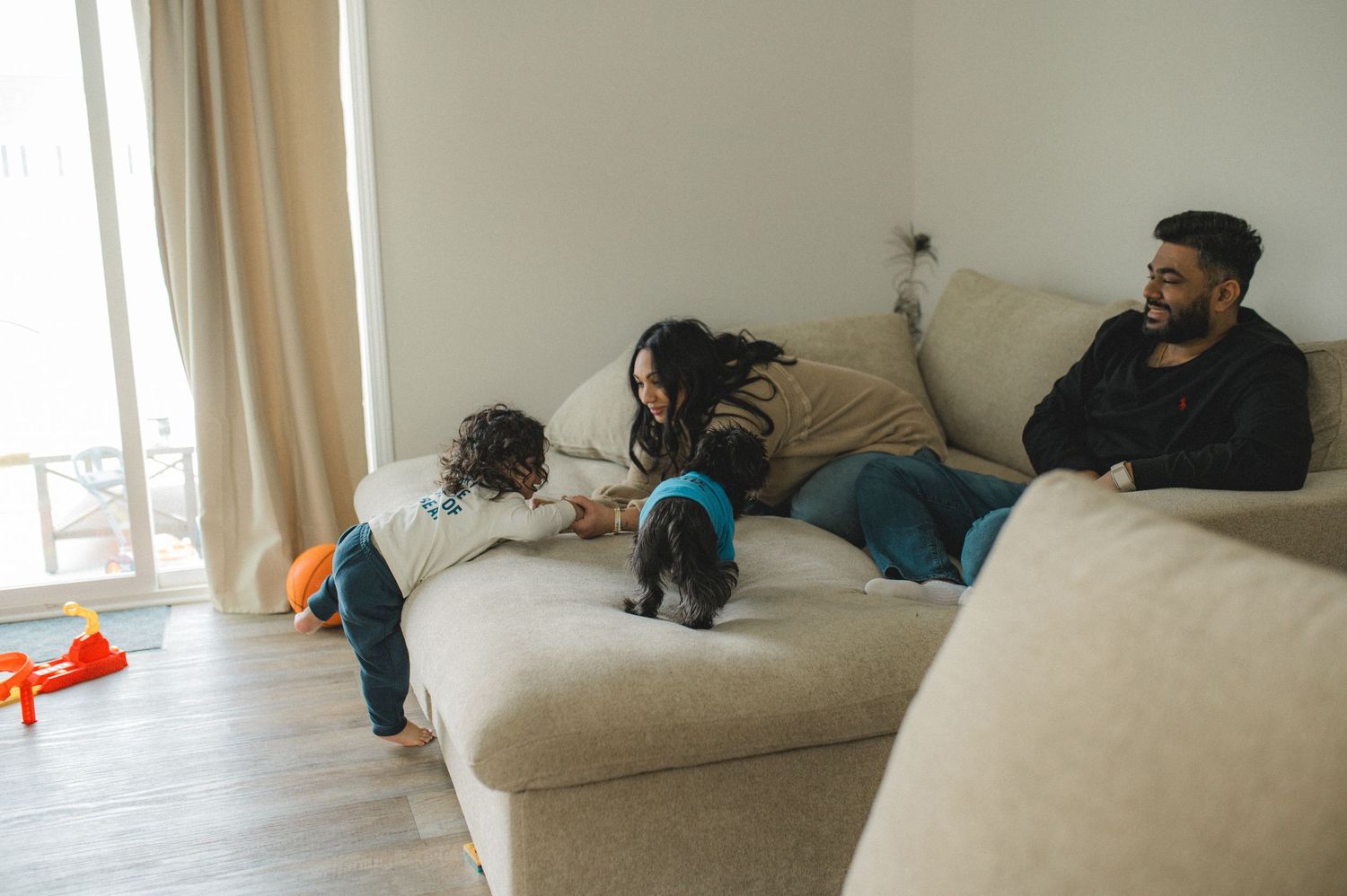
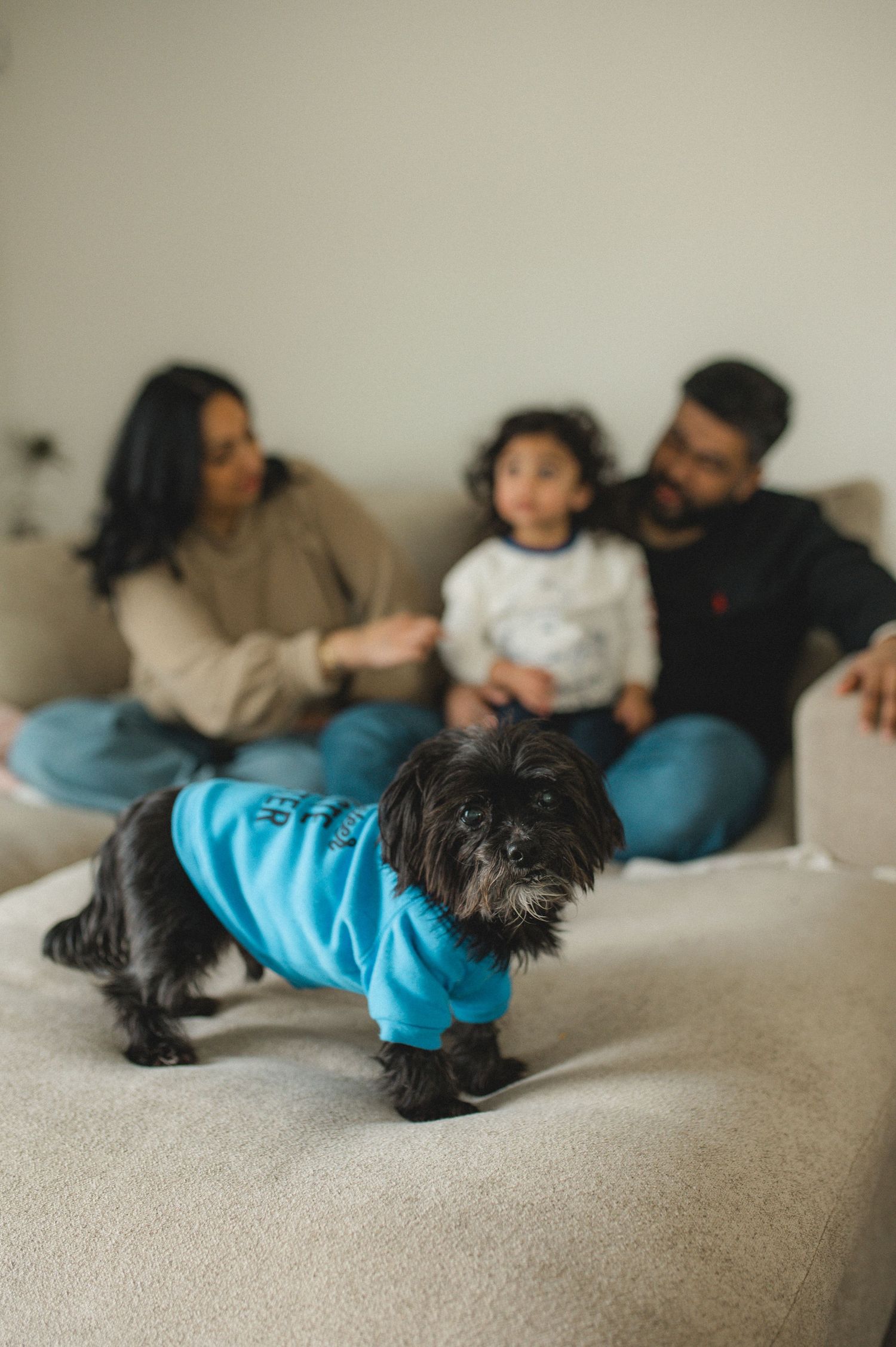
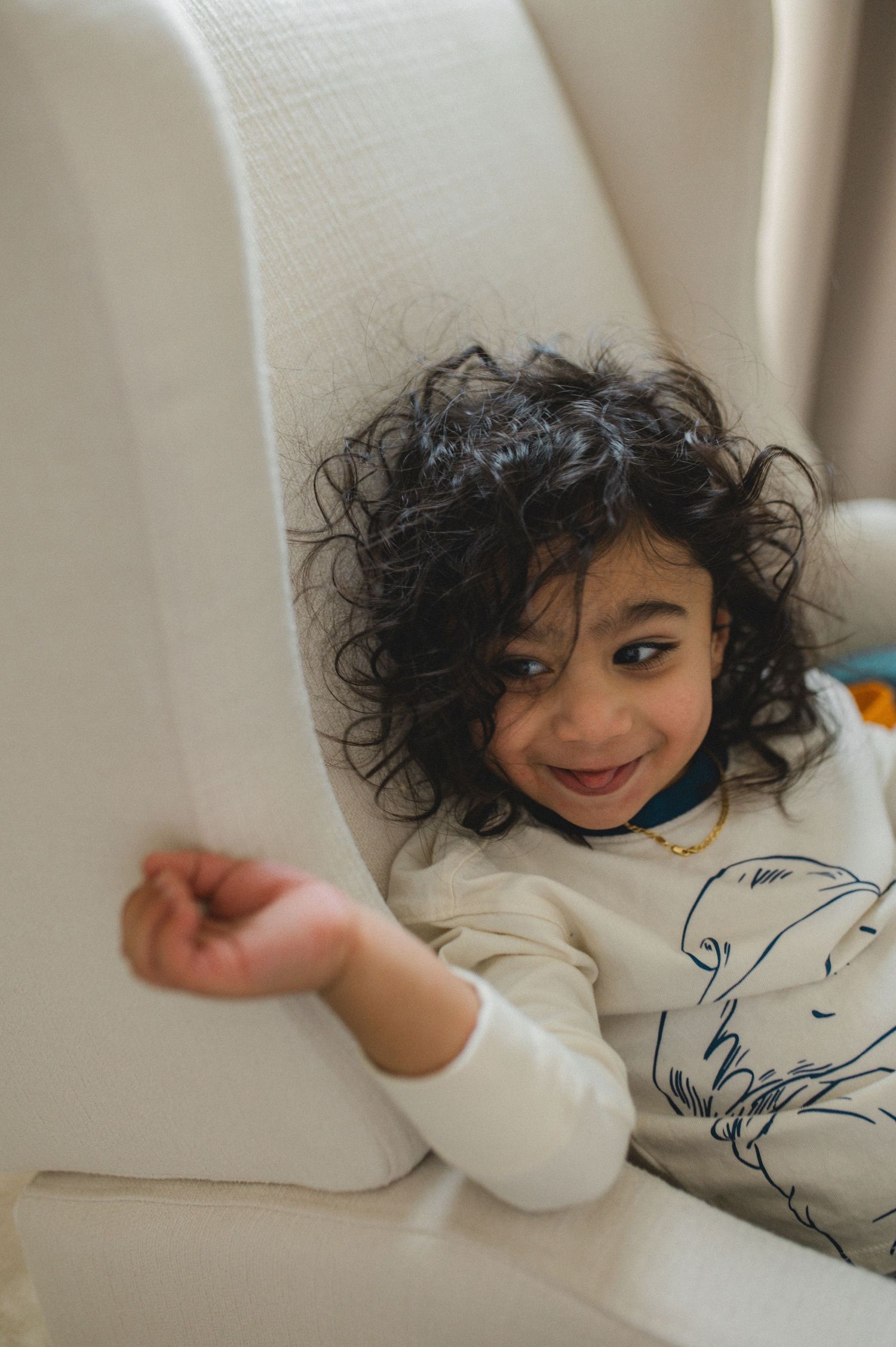
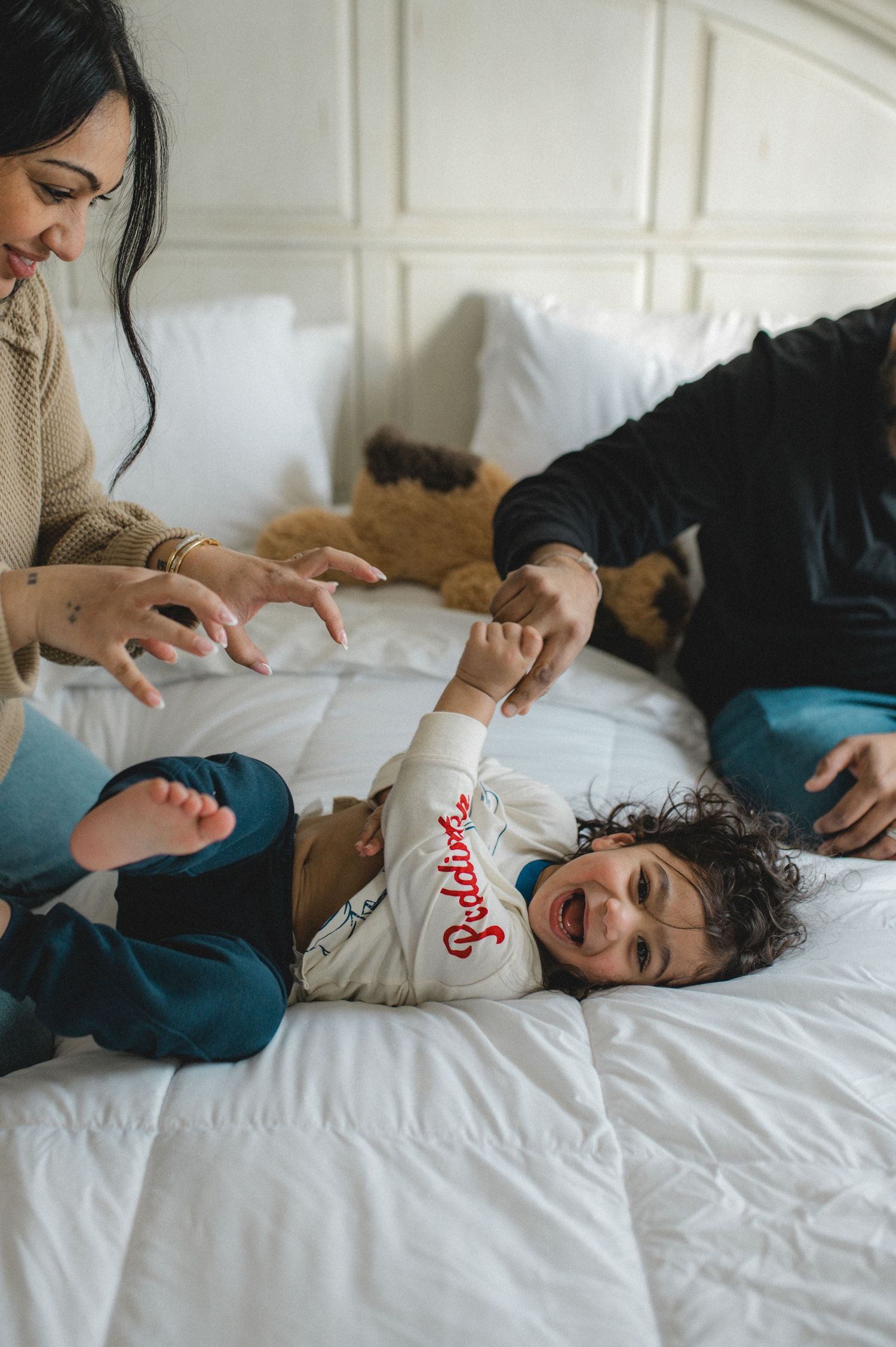
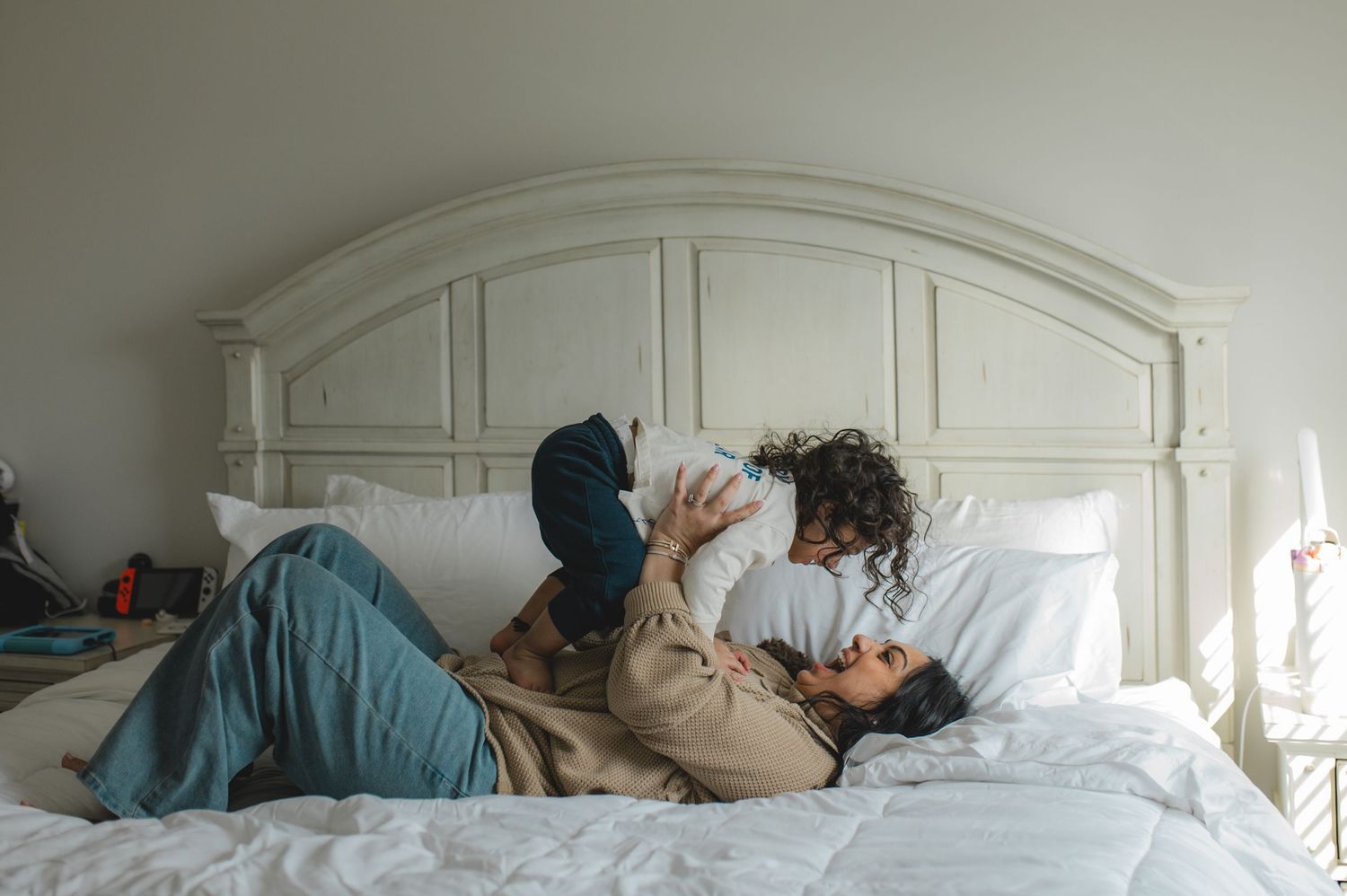
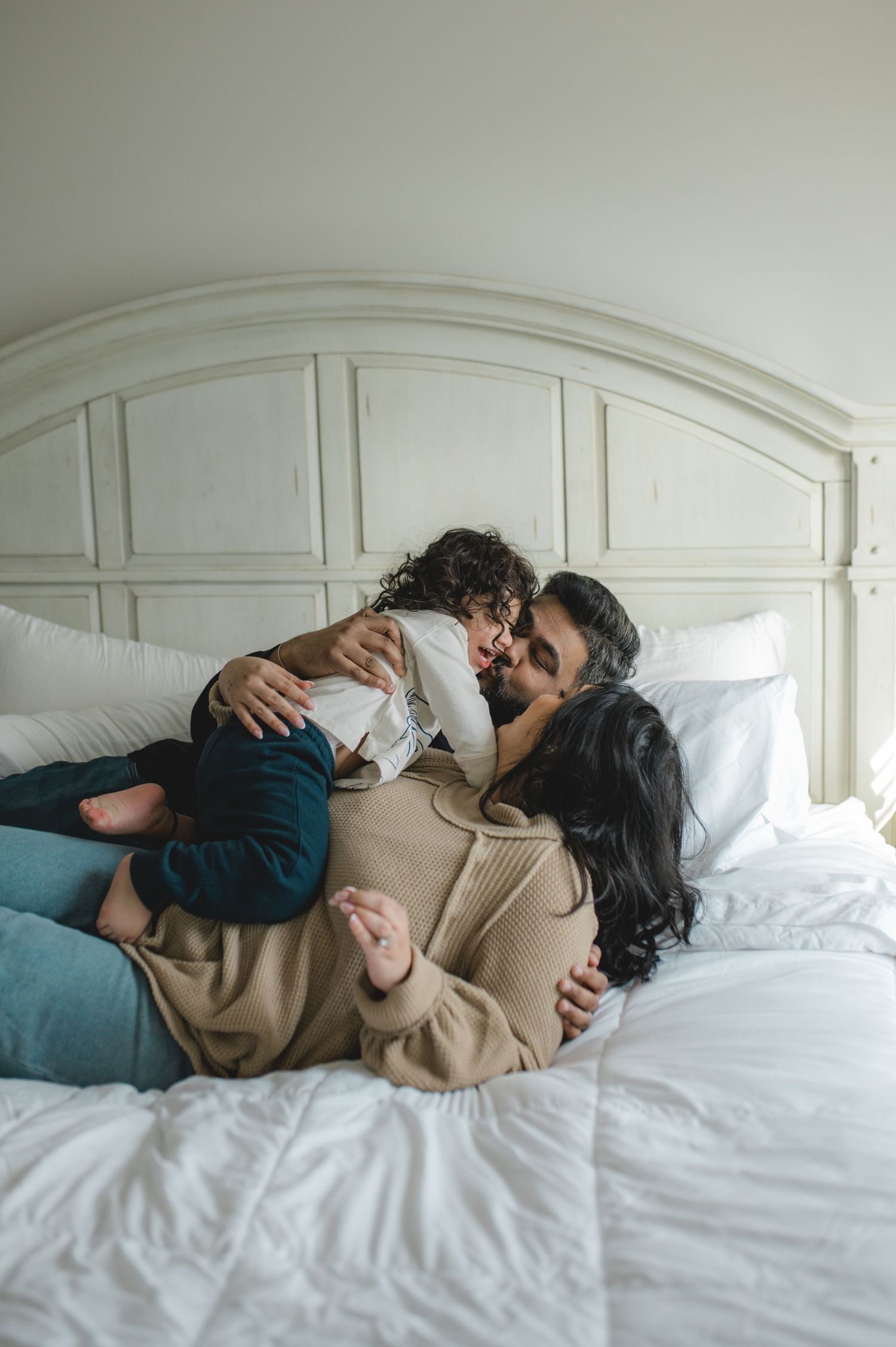
The Storyteller Session is designed to capture the honest, unscripted beauty of your life exactly as it is right now. We aren't looking for matching outfits or forced poses; we’re looking for the way your daughter twirls her hair while reading, the steam rising from the morning coffee, and the chaotic, wonderful energy of a kitchen floor filled with toys. This guide will help you get a feel for what The Storyteller Session is all about and how to prepare for it.
Why At Home?
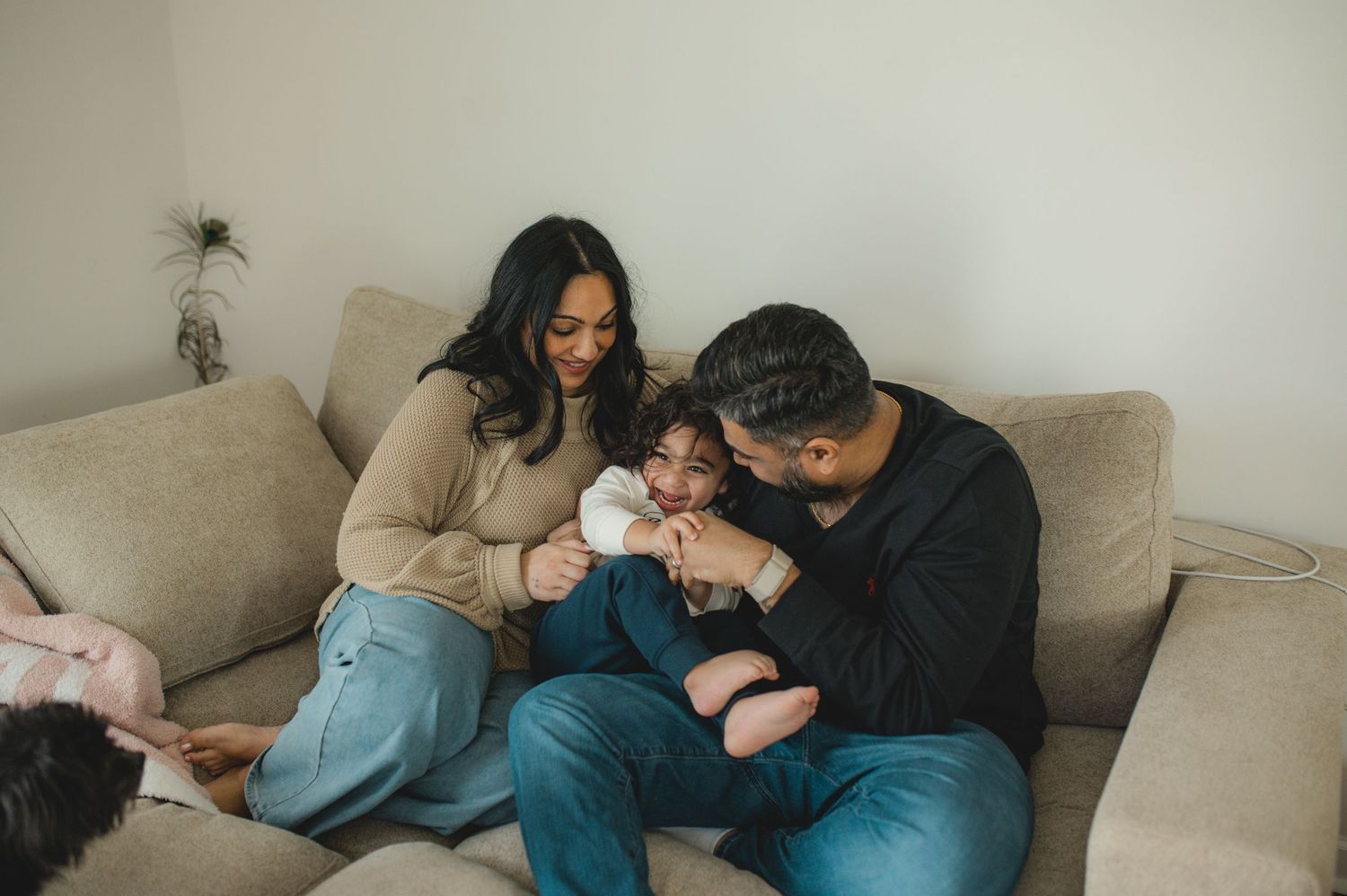
Your home is the backdrop of your family’s story. It’s where real life happens. By staying in your space, we allow everyone—especially your children—to feel completely at ease. This comfort level is what allows the genuine magic to surface.
What to Expect
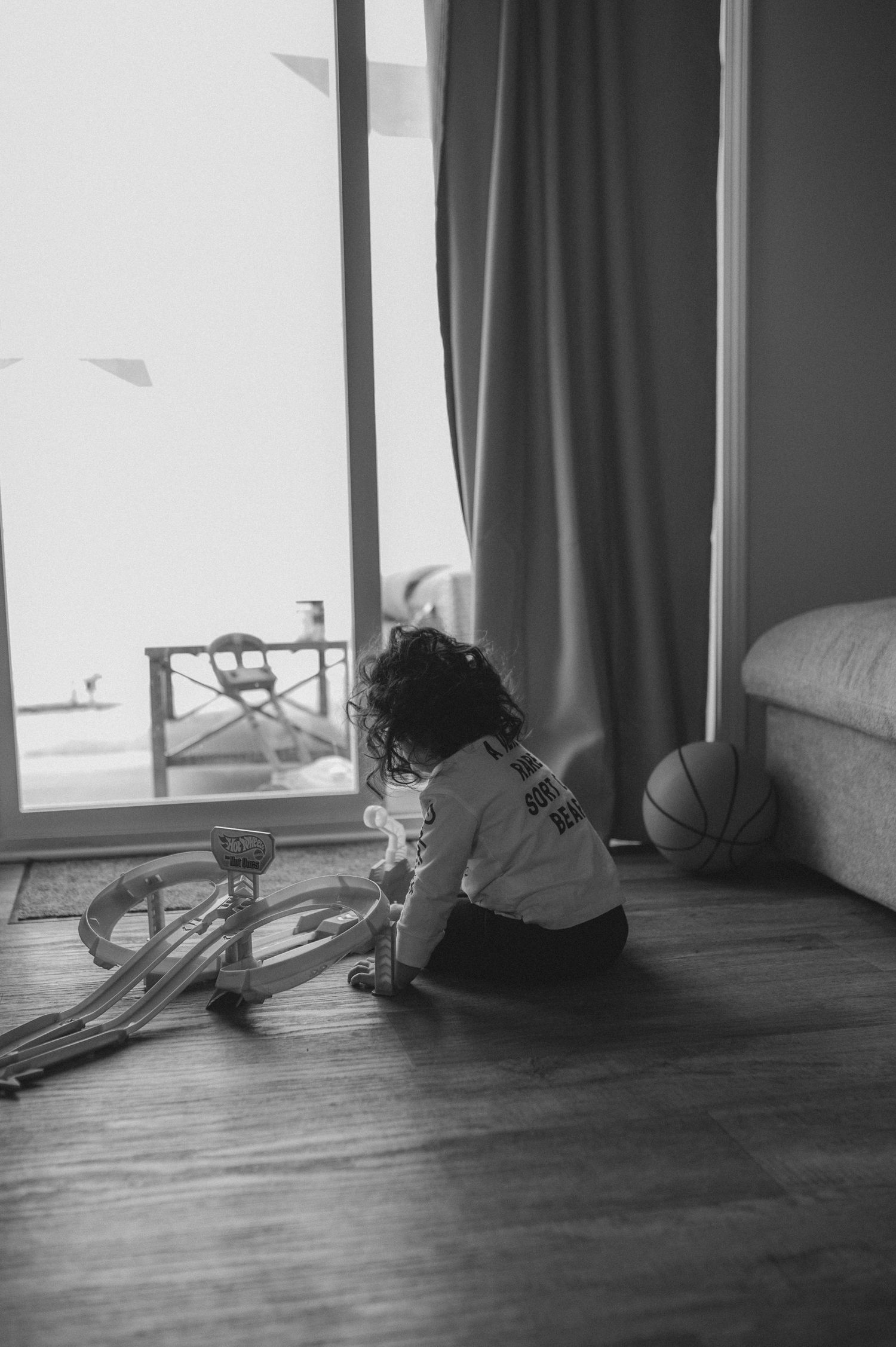
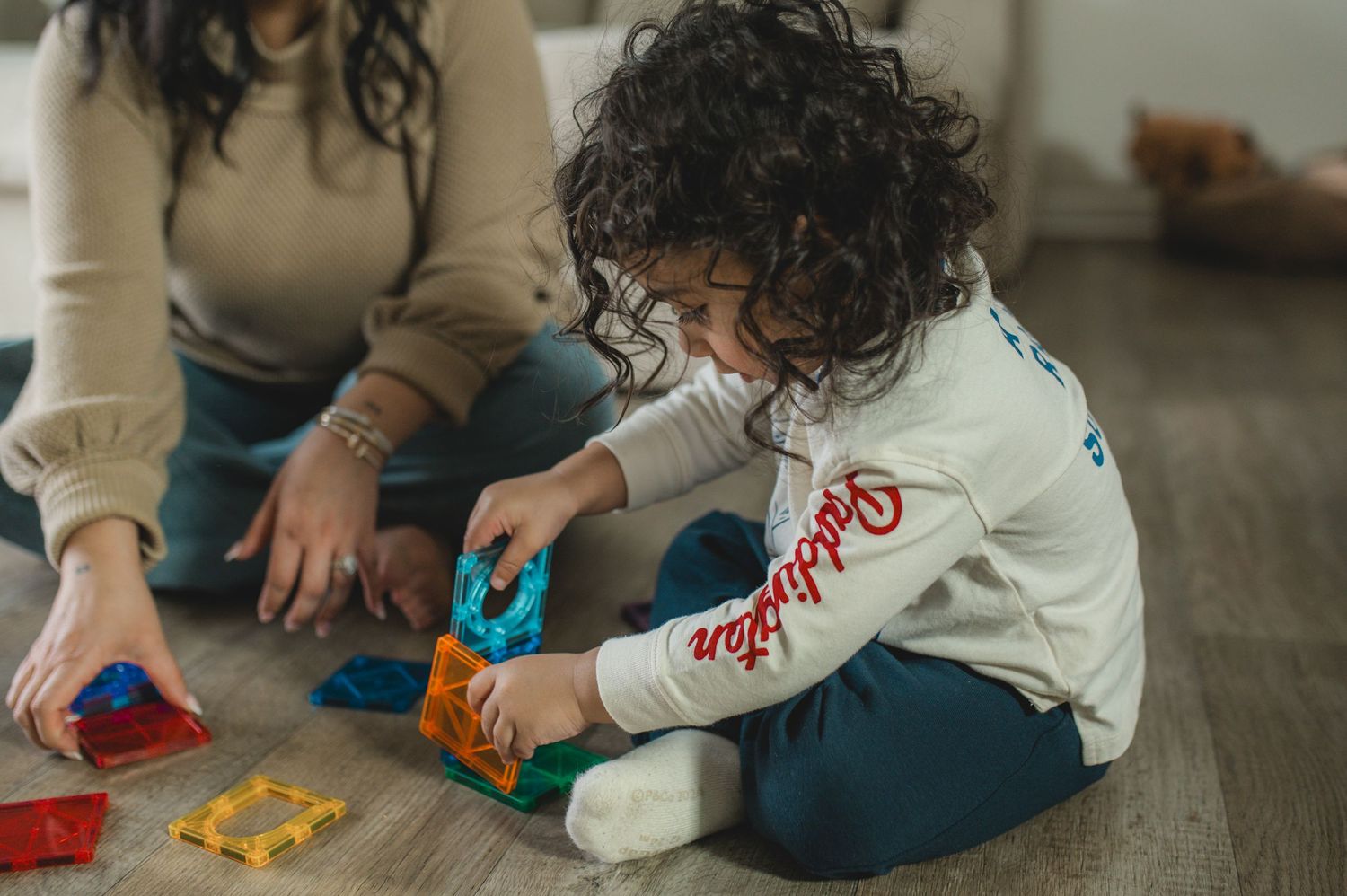
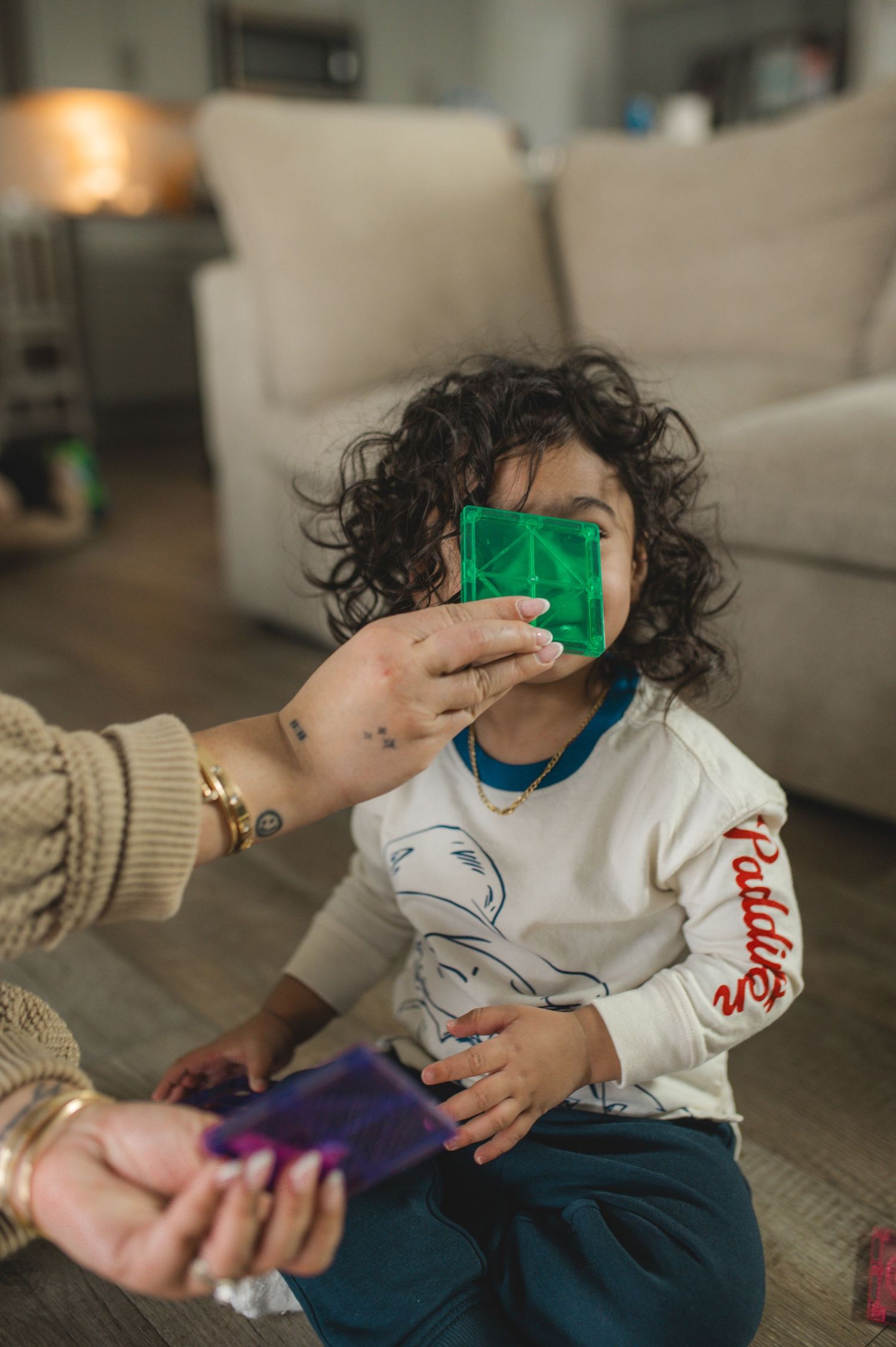
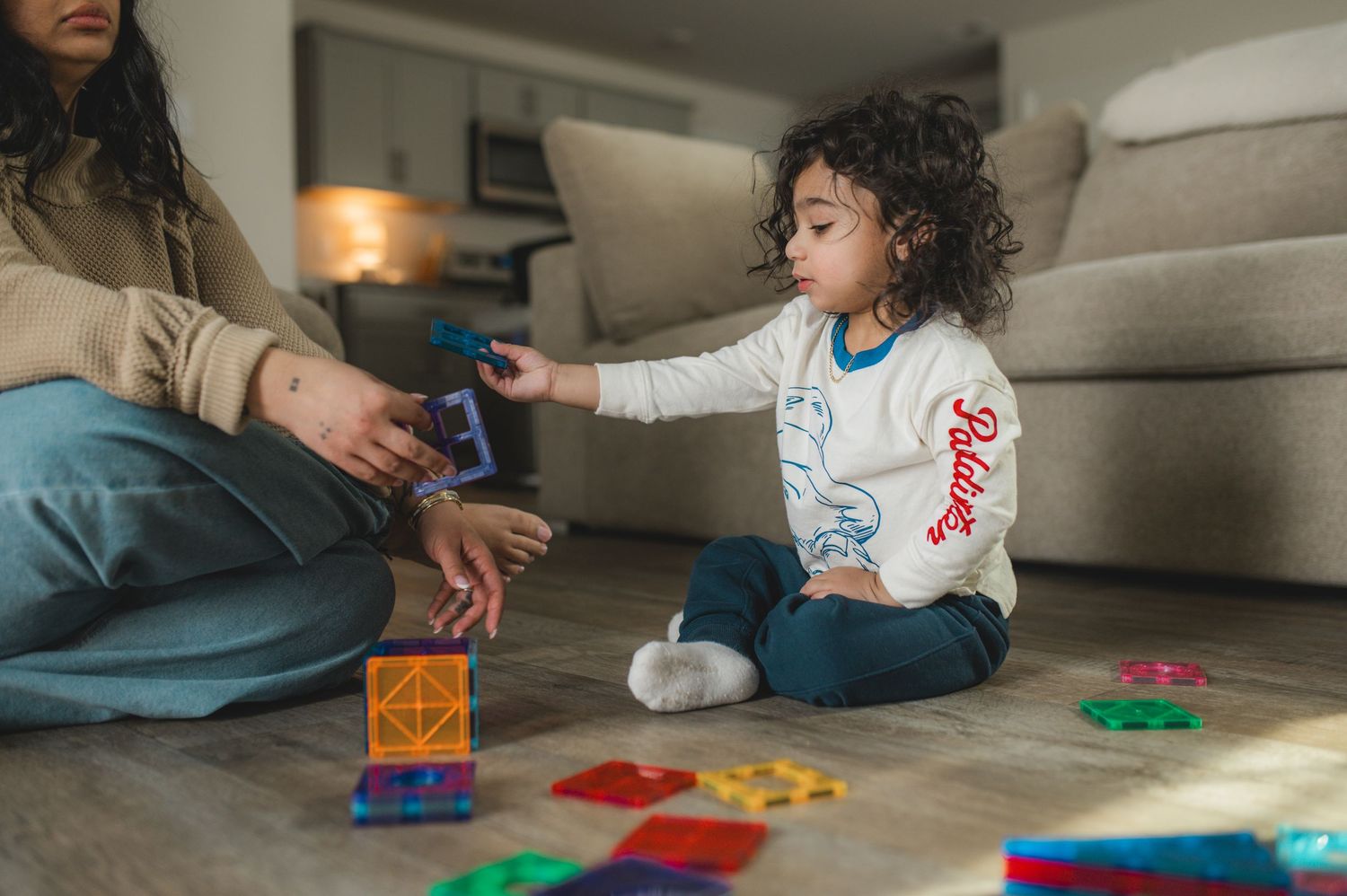
- No Stress: Think of your Storyteller session like less of a "chore" and more like a morning at home with a friend who happens to have a camera. Warning - I may end up on the floor playing with the Legos... it's all part of the process. 🤷🏻♀️
- Zero Posing: You won't hear me ask you to "look over here" or "say cheese." I’m there to observe and document, not to direct. I may make a suggestion, but I will never tell you what to do or how to stand.
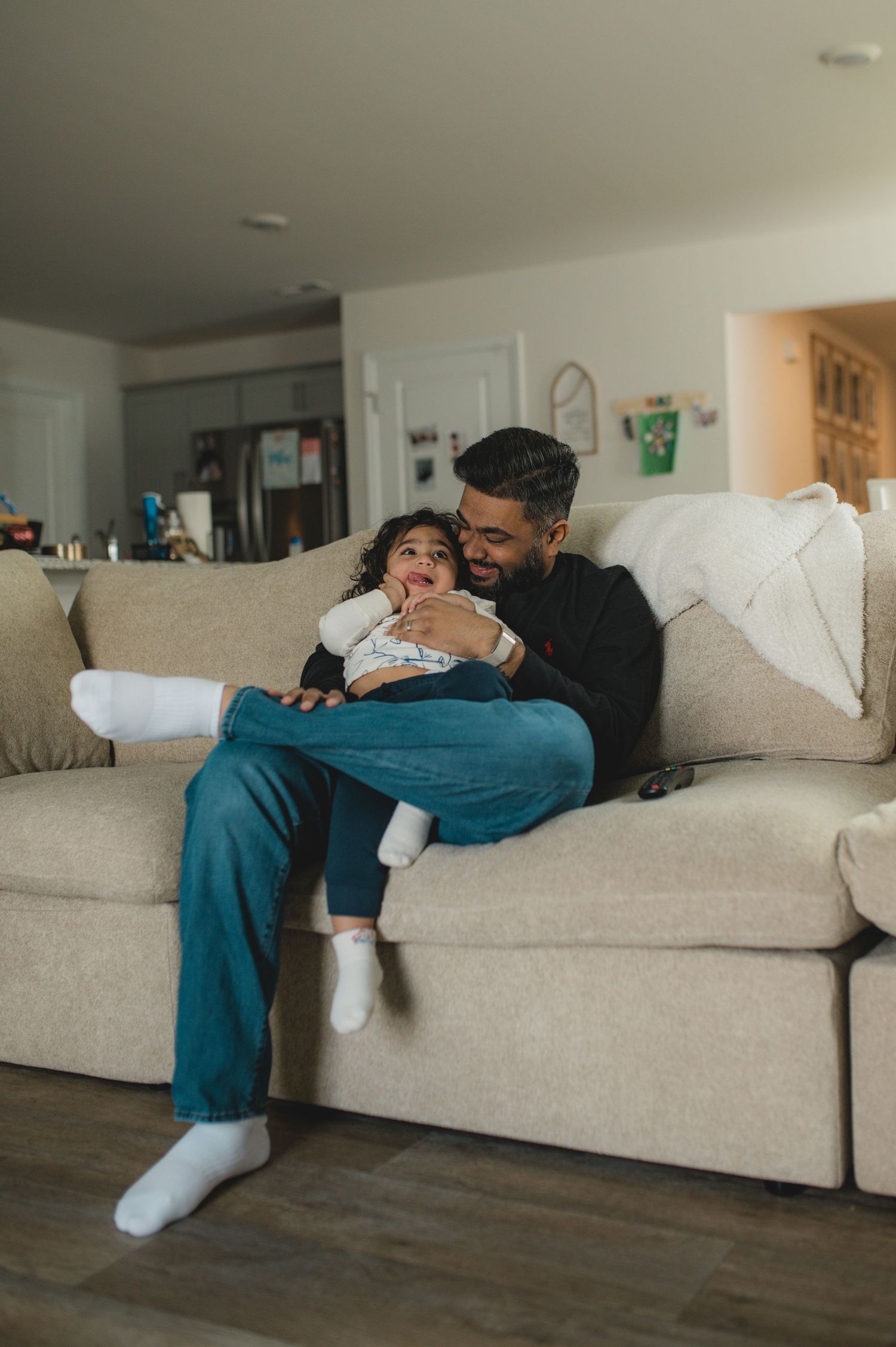
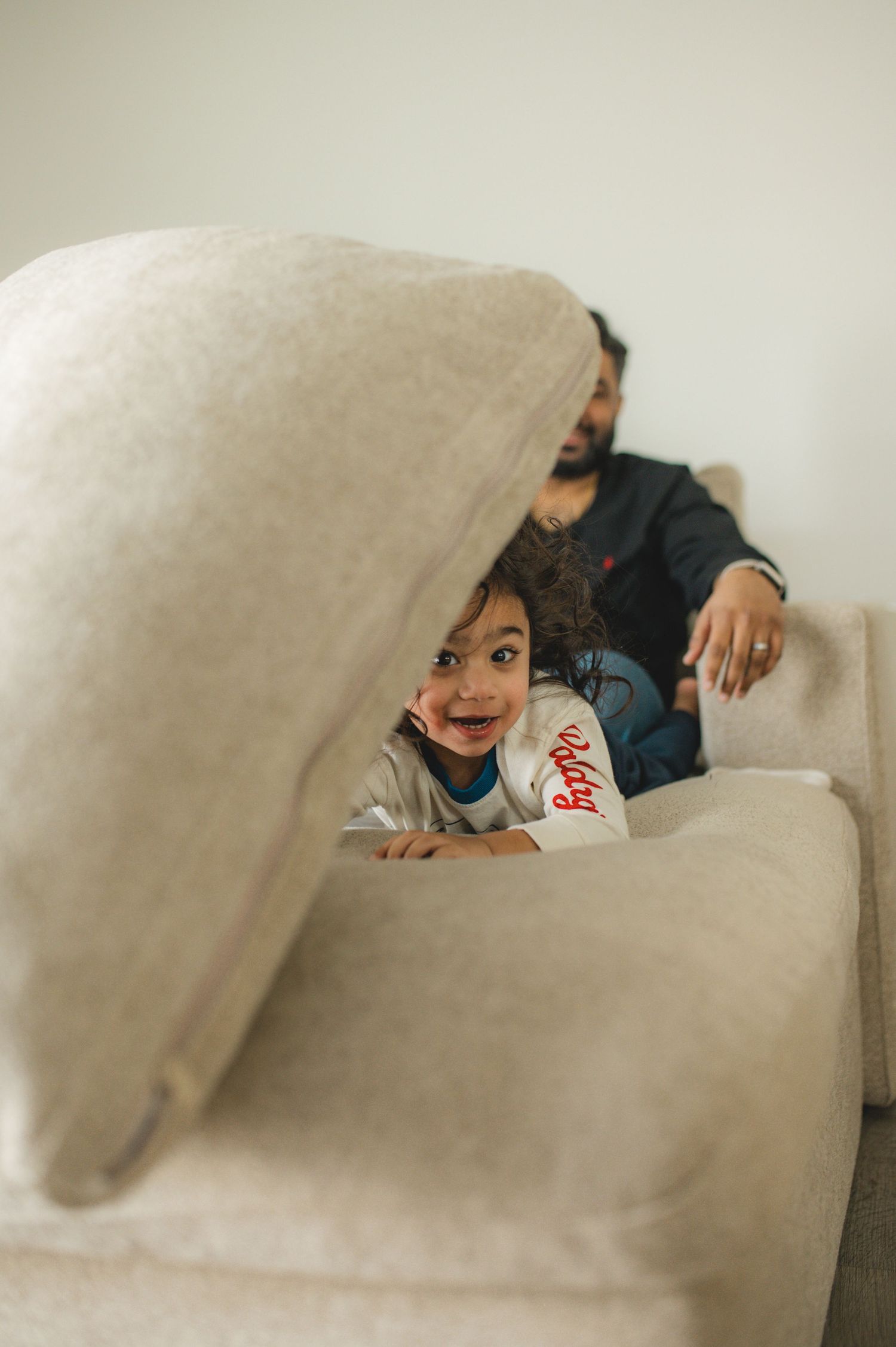
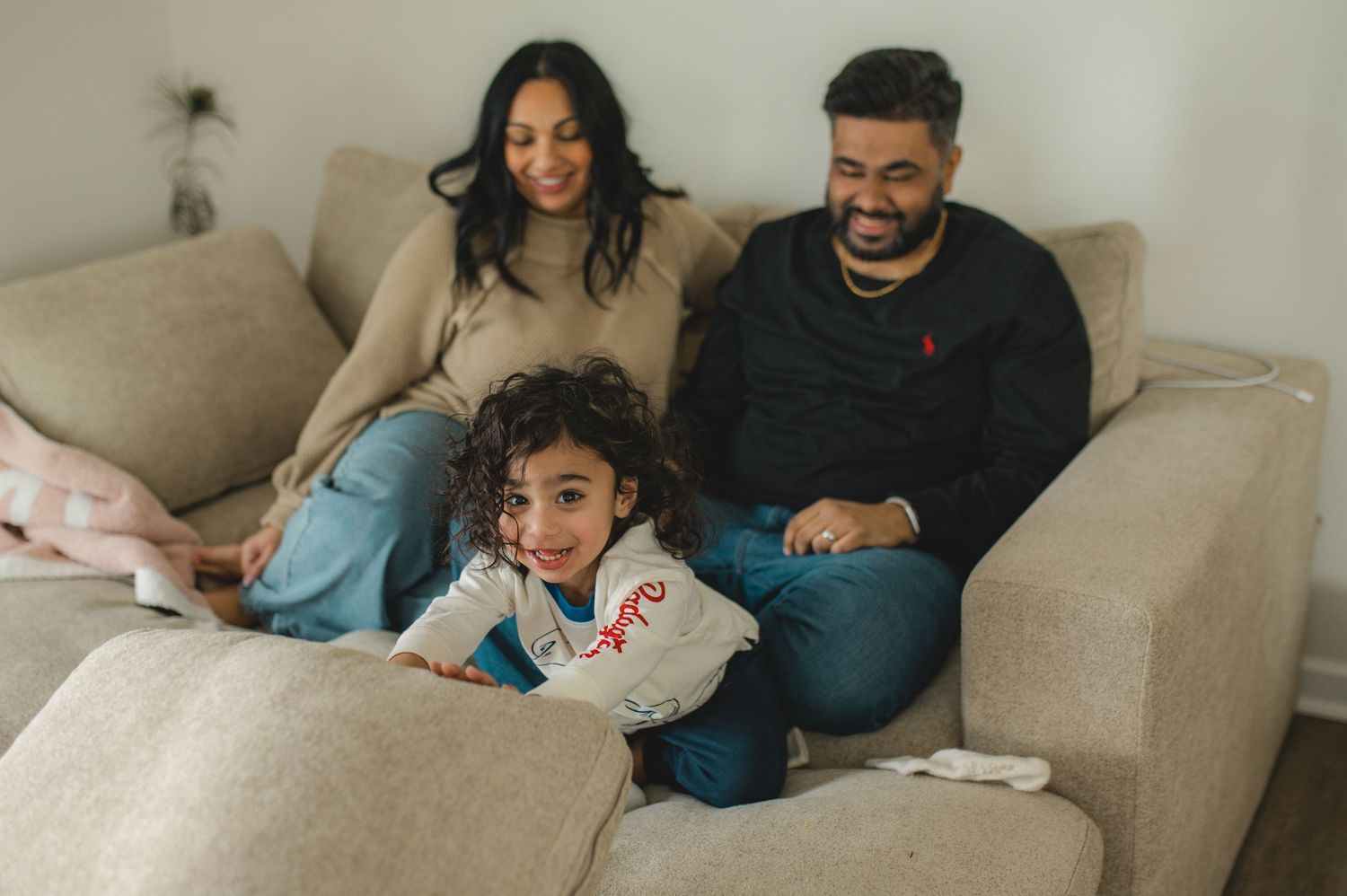
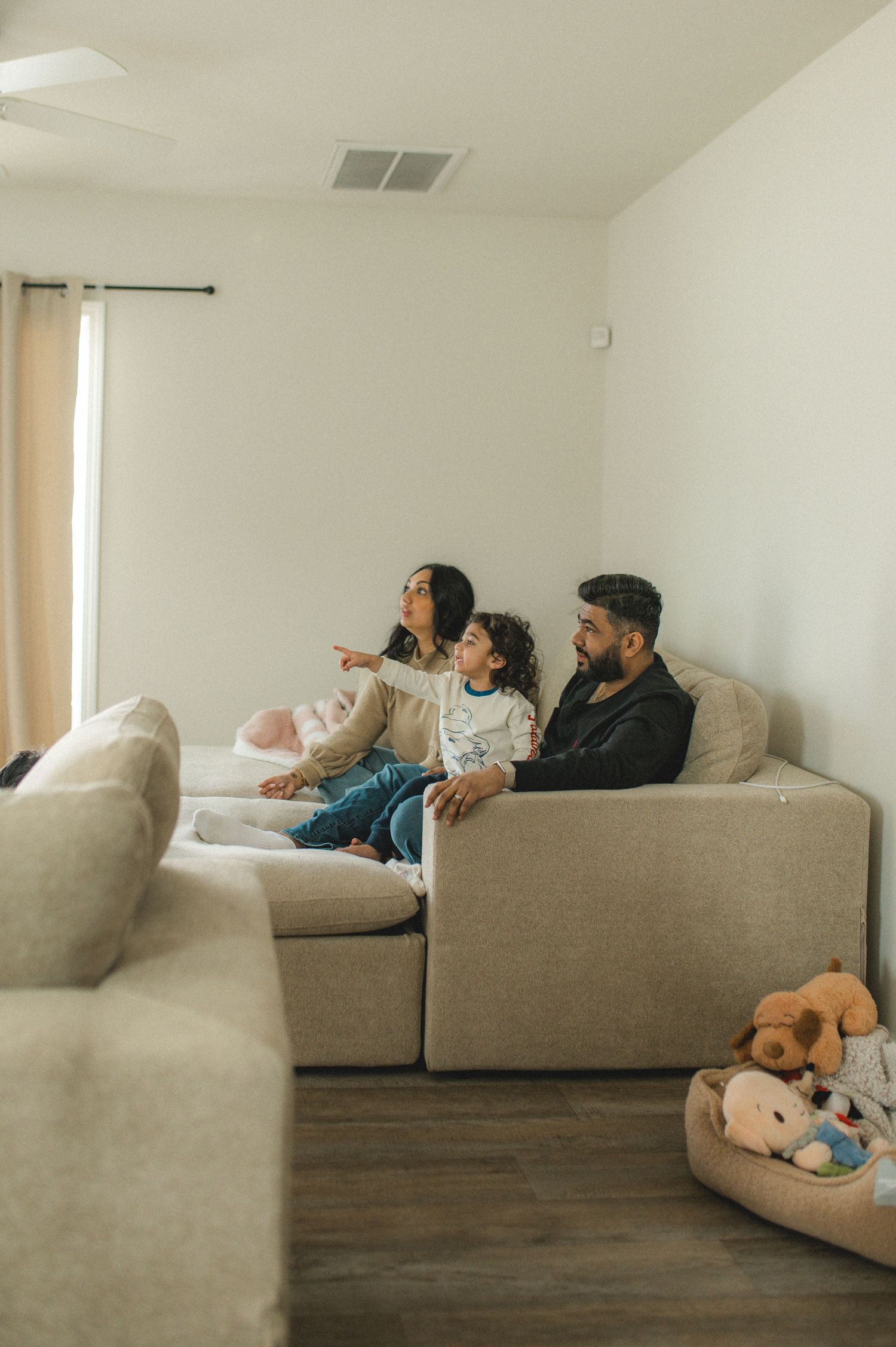
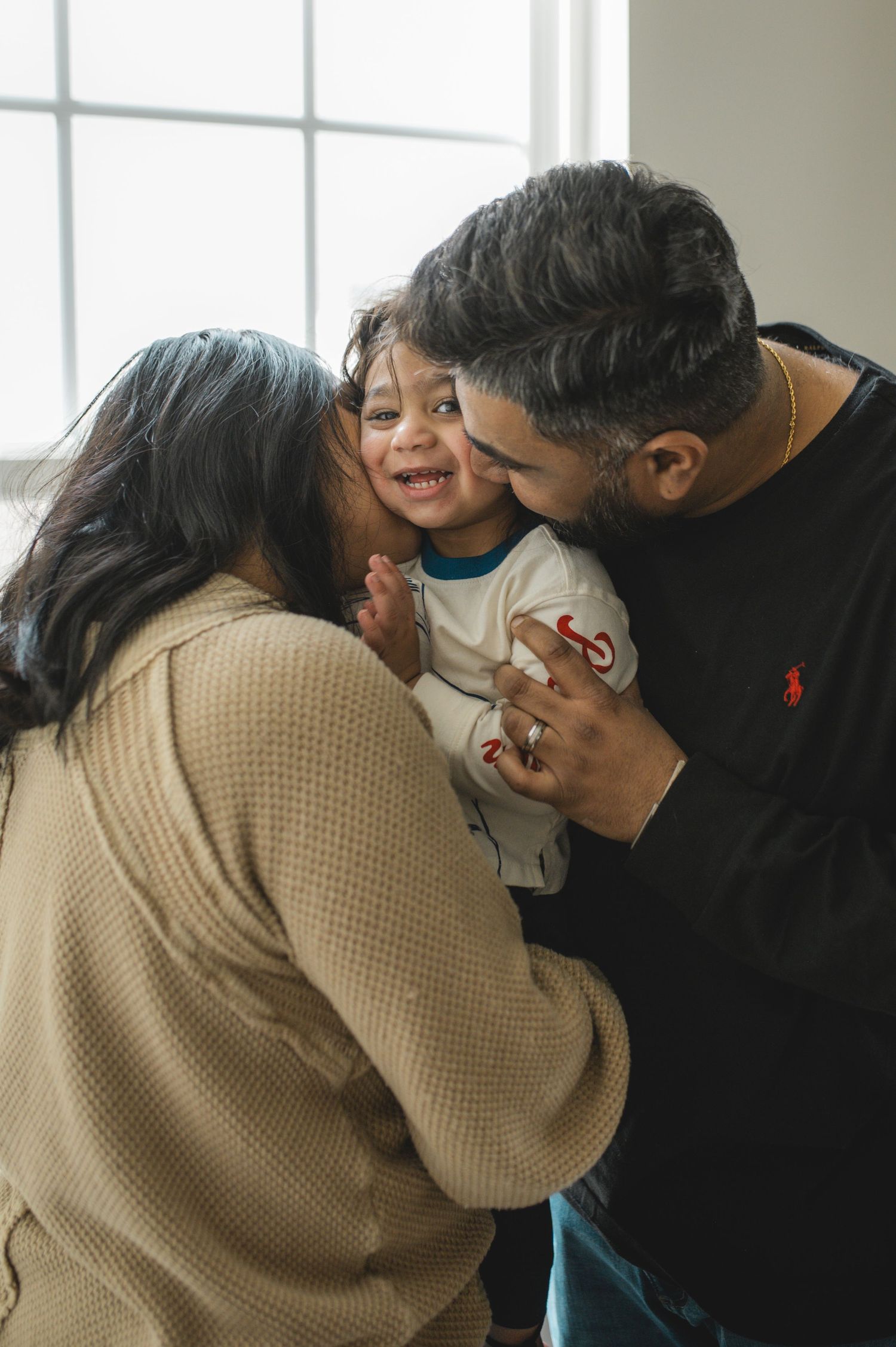
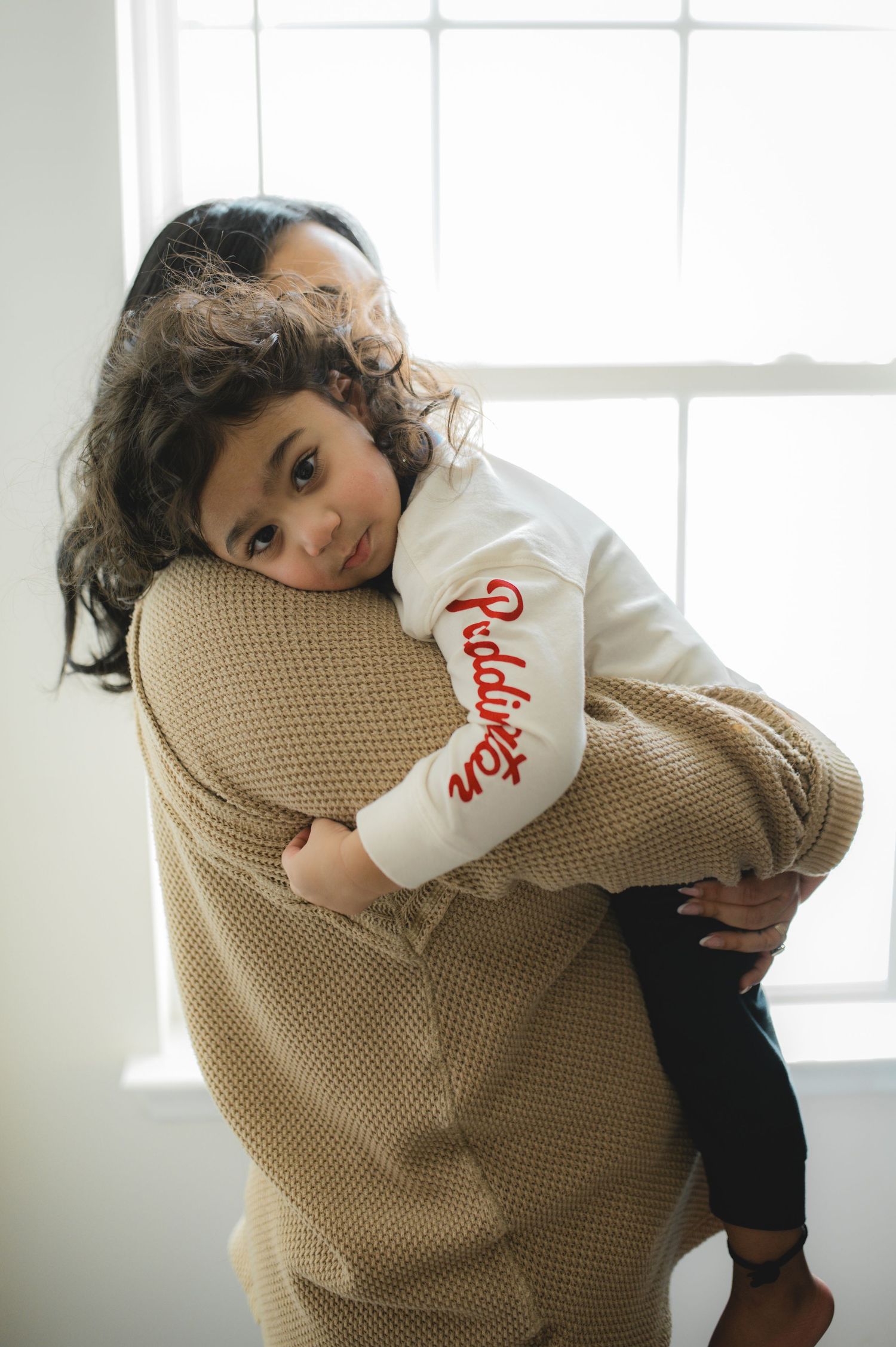
- The Beauty of the Mundane: Whether it’s bath time, baking cookies, or a quiet cuddle on the sofa, these "ordinary" moments often become our most cherished memories.
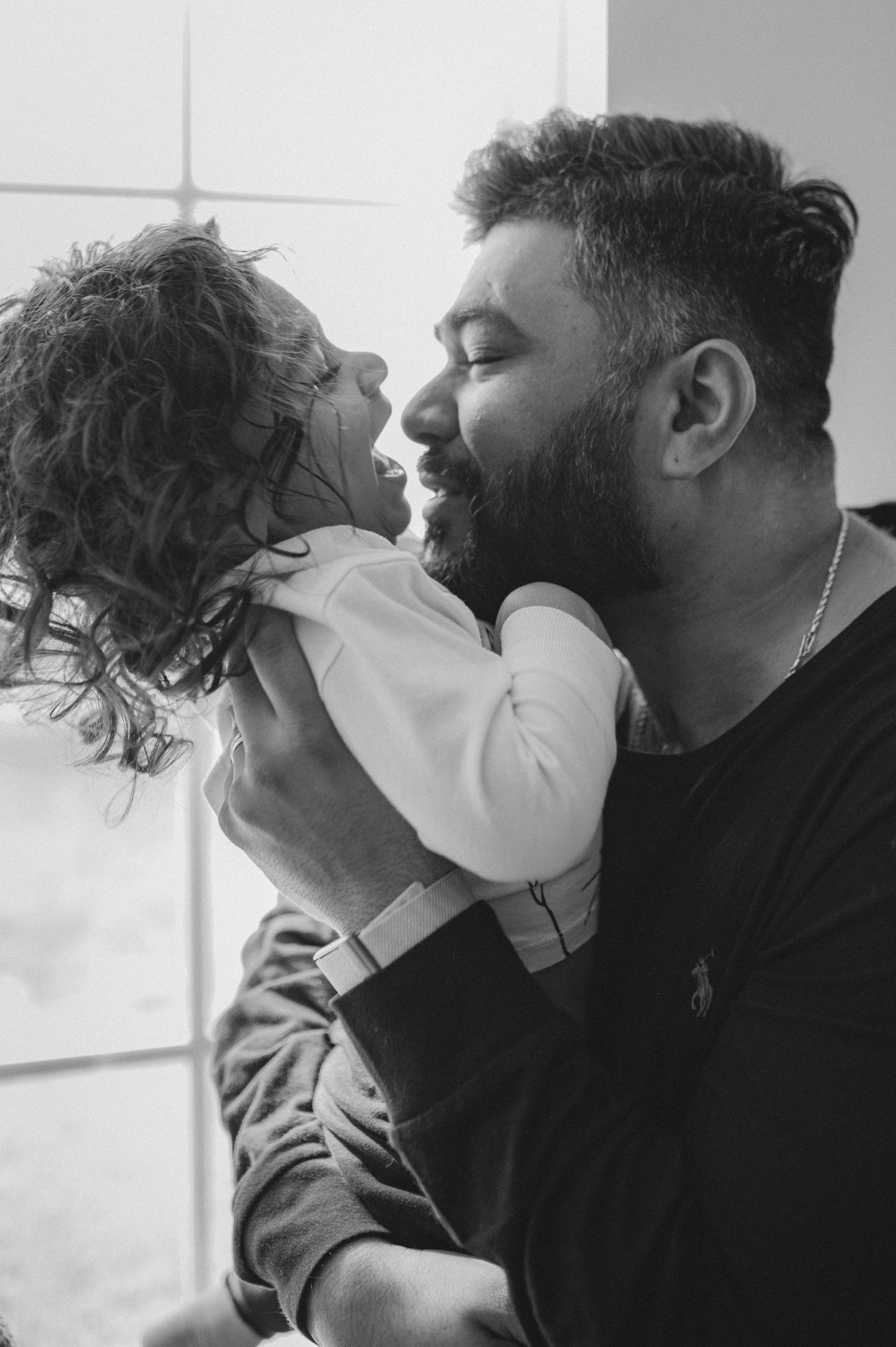
- Authentic Connection: My goal is to photograph how your family feels, not just how you look.
The Storyteller Session is for the families who value authenticity over perfection. If you want to remember the messy hair, the loud laughs, and the quiet tenderness of your "right now," then you are a Storyteller family. Read more below to learn how to prepare for your session.
How to Prepare for Your Storyteller Session
STEP one
Let Go of the "Clean House" Stress
Please don’t spend hours deep-cleaning. Your home is a living space, not a showroom. A stray toy on the floor or a stack of books on the nightstand is part of the story of your life right now. I promise I am looking at the light and your faces, not the dust on the ledge or the fingerprints on the fridge.
STEP two
Choose "You" Clothing
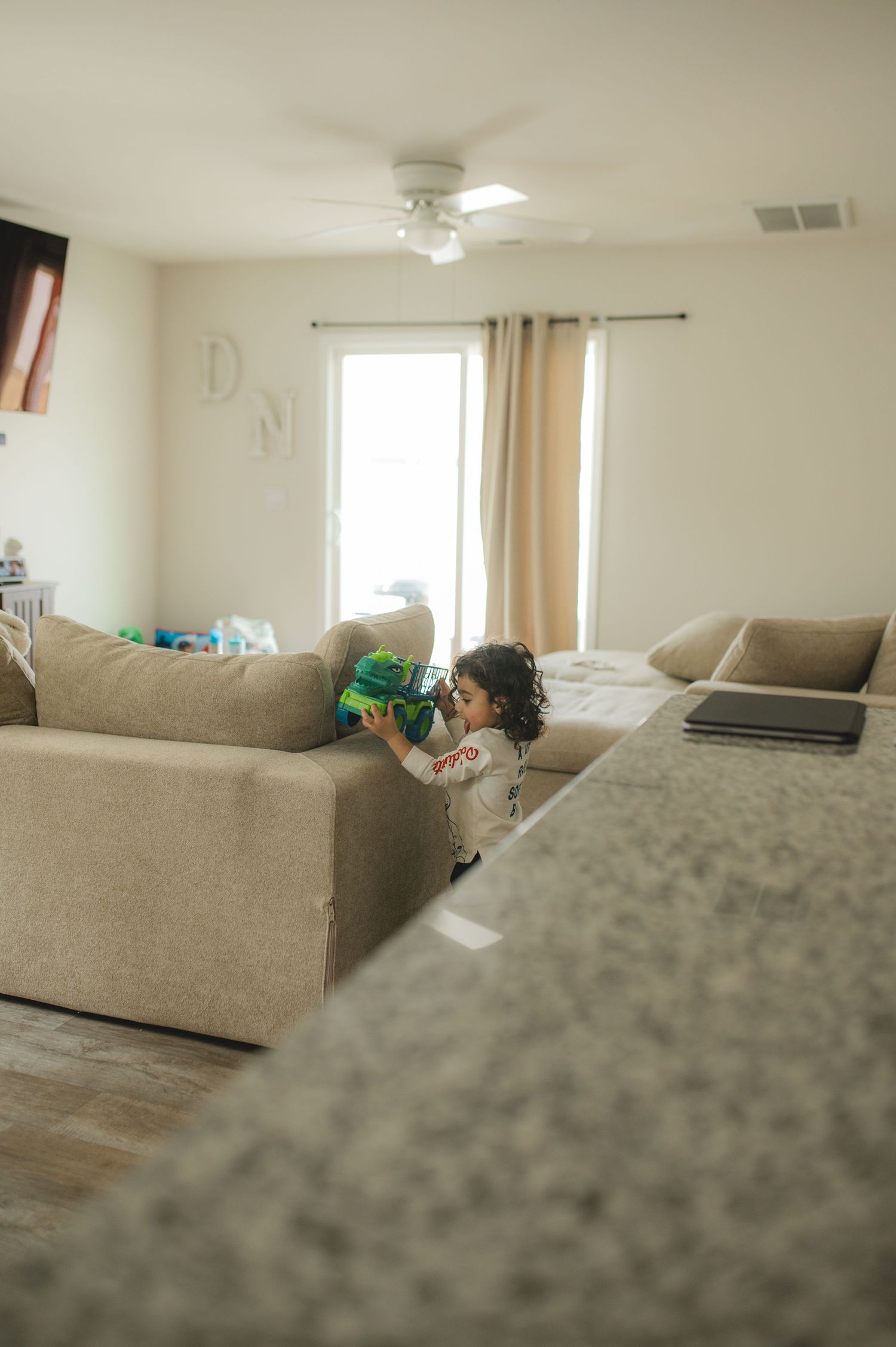
Wear what you would actually wear on a cozy Saturday at home. If your daughter insists on wearing her Elsa dress-up wig or your son wants his dinosaur shirt, let them. These details are the heart of documentary photography. Try to stick to more neutrals and avoid giant logos or neon colors, but prioritize comfort over coordination.
STEP three
Plan an Activity (Or Don’t!)
It helps to have one or two loose "anchors" for the session—things you’d normally do together. This could be:
- Making pancakes or baking cookies.
- Reading stories in the "big bed."
- Building a Lego masterpiece.
- Playing in the backyard.
- Having a dance party in the kitchen.
*Pro Tip: Don't feel like you have to be "busy" the whole time. Quiet moments are just as beautiful.
STEP four
Brief the Kids (and Partners!)
Tell them a photographer friend is coming over to hang out, play and take some pictures of their normal day. Remind them they don't have to "smile for the camera" or sit still. If the kids are being wild, let them be wild! Some of the best shots happen during the chaos.
*Another Pro Tip: Older infants and toddlers can have a little bit of stranger anxiety. This is totally normal, and if they have never met me (or even if they have a handful of times), they could get shy or have some big feelings over someone new coming into their space. They aren't always able to understand that mommy & daddy aren't leaving them with a stranger. We will take our time and allow them to warm up. No biggie—within a few minutes, they should be A-okay!
STEP five
Don't Worry About "Aesthetic"
When I arrive, I might ask to open a few curtains or move a stray laundry basket away from a window, but otherwise, we will just follow the natural flow of your day.
*A Quick Note on "The Mess"... Twenty years from now, you won't care that the sink had dishes in it. You’ll care that you can see exactly how you used to hold your baby in that specific kitchen.
The Flow of Your Session
The "Warm-up"
I’ll arrive and put my bags down. I will take my camera out, just so your kiddos can see it. I won't start taking photos right away, I'll wait until everyone is comfortable and I see something that catches my eye. This time is for us to chat, for your kids to show me their favorite toys, and for everyone to get used to my presence in your space. This time may take about 10-20 minutes.
- The Goal: To become a "friend that's here to play", rather than "the photographer".
The "Activity"
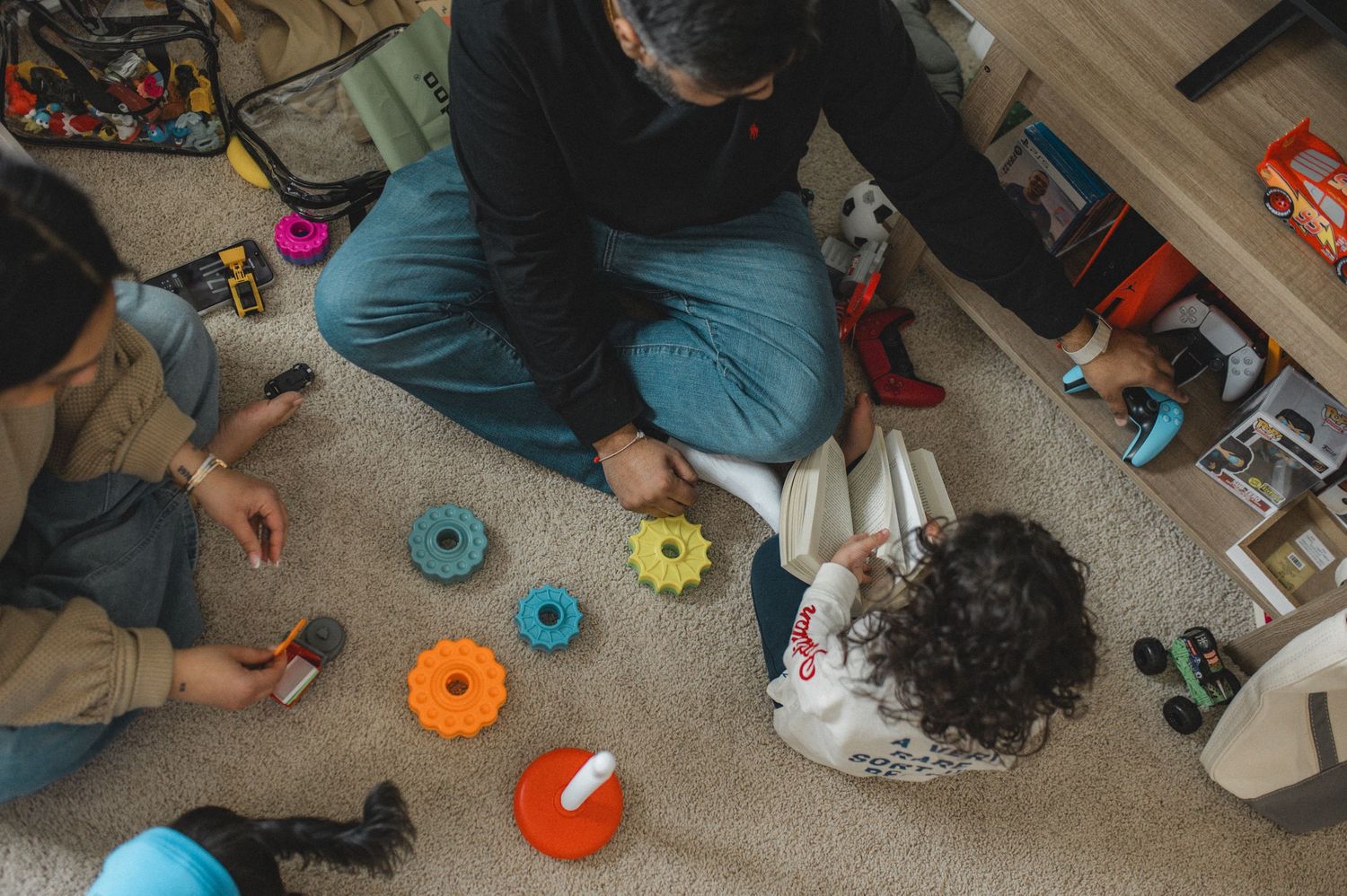
We’ll start an activity that we have planned—making breakfast, playing in the yard, or a floor puzzle (we will make a very loose plan a week or so before your session). This gives your hands something to do and helps everyone stop looking at the lens. This may take anywhere from 20-60 minutes, there really is no time limit.
- What I’m looking for: The interactions, the focus on your faces, any chaos that ensues, and the way you move together as a unit.
The "Lull"
This is actually my favorite part. Around the hour mark, the "newness" of having a photographer over typically starts to wear off. The kids might get bored, someone might need a snack, or you might just sit down on the couch to breathe. I will continue to shoot during this time.
- The Magic: This is when some of the most authentic, quiet, and meaningful images happen. When you stop "trying," the real story emerges.
The "Final Chapter"
We’ll wrap up when we feel like we've got enough content to tell your story. I’ll quietly pack up my gear while you continue being you.
- The Exit: I’ll let you know I’m finished, but I often catch one last "parting shot" before I head out the door!
Why we take our time...
You might wonder why we may need to spend two or more hours together when a traditional portrait session typically takes an hour.
The answer is simple:
Your story needs time to be told.
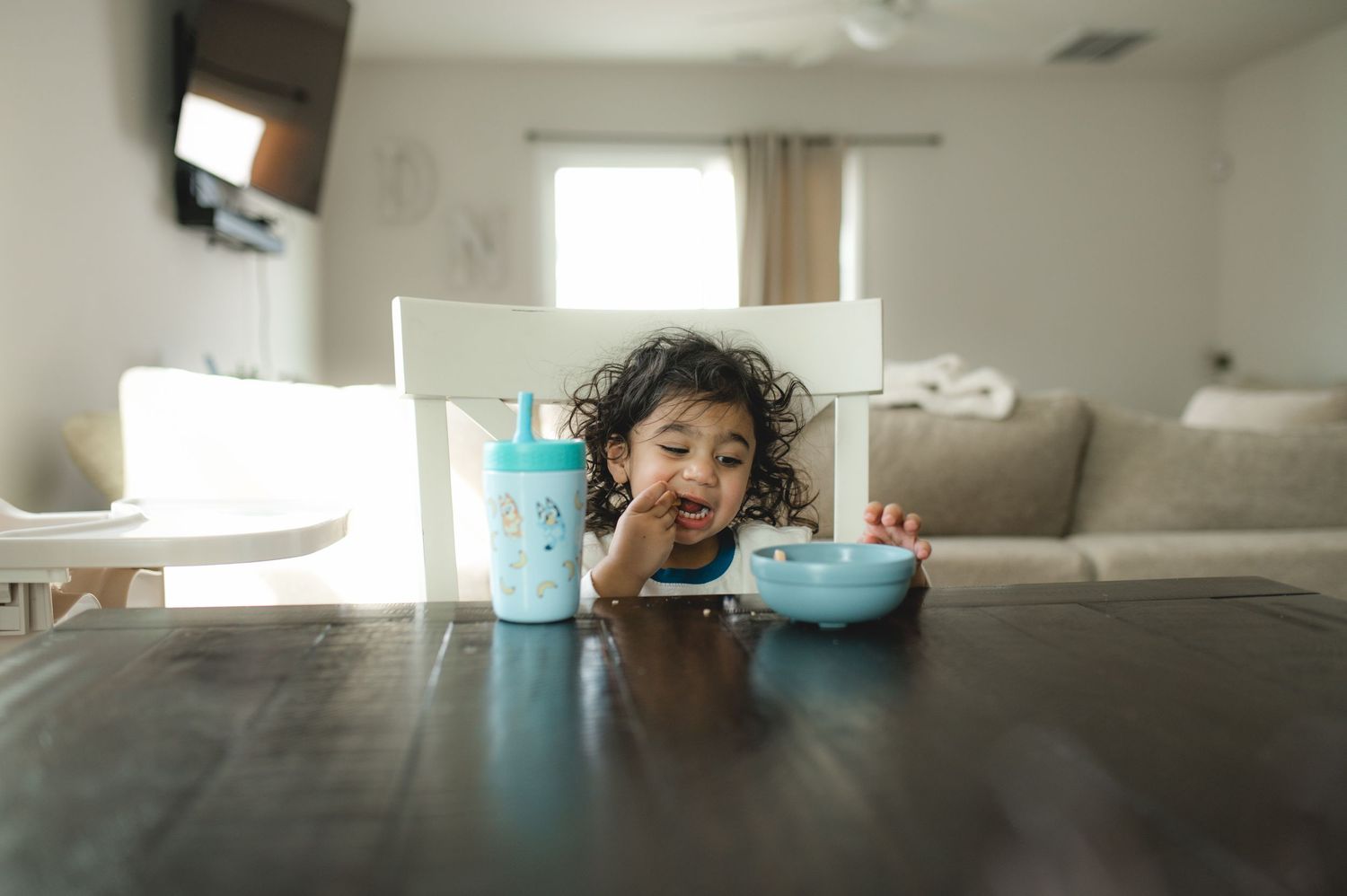
By hanging out for a few hours, I get to see it all: the high-energy chaos of a living room dance party, the messy mid-day snack, and that sweet, sleepy slowdown that happens right before a nap. I'm there for the whole beautiful story of a typical day.
Real life doesn't happen in a highlight reel.
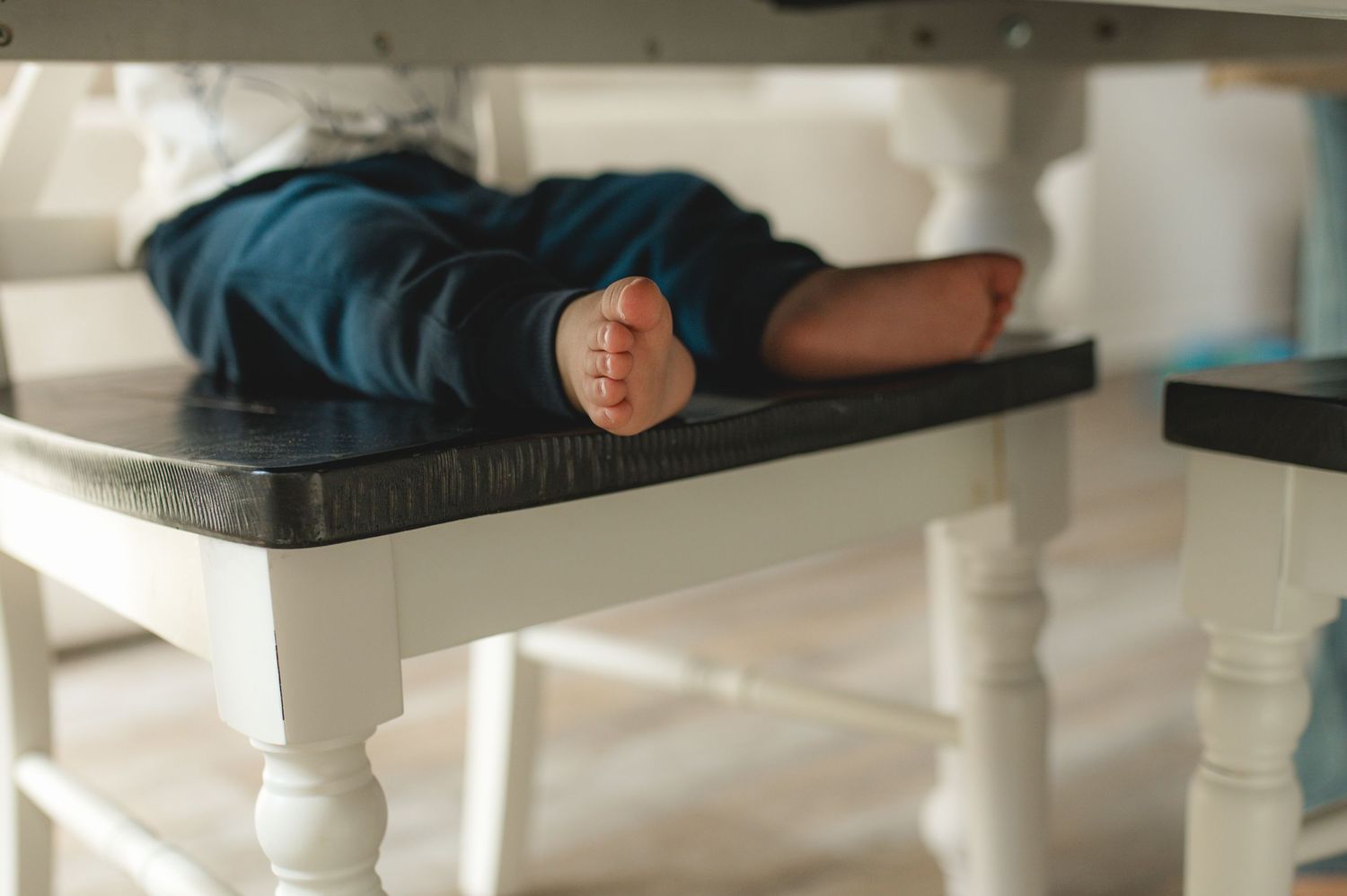
It happens in the transitions—the way you brush hair out of a face while they’re distracted, or the way you share a knowing glance with your partner over a spilled glass of milk. Those split-second moments only reveal themselves once the rhythm of the day takes over. The best parts of your story often happen in the gaps between the "big" moments. By slowing down, we give the small, quiet, and incredibly significant details room to breathe and develop.
The "Do's" & "Don'ts" of The Storyteller
The Do's
DO interact with each other.
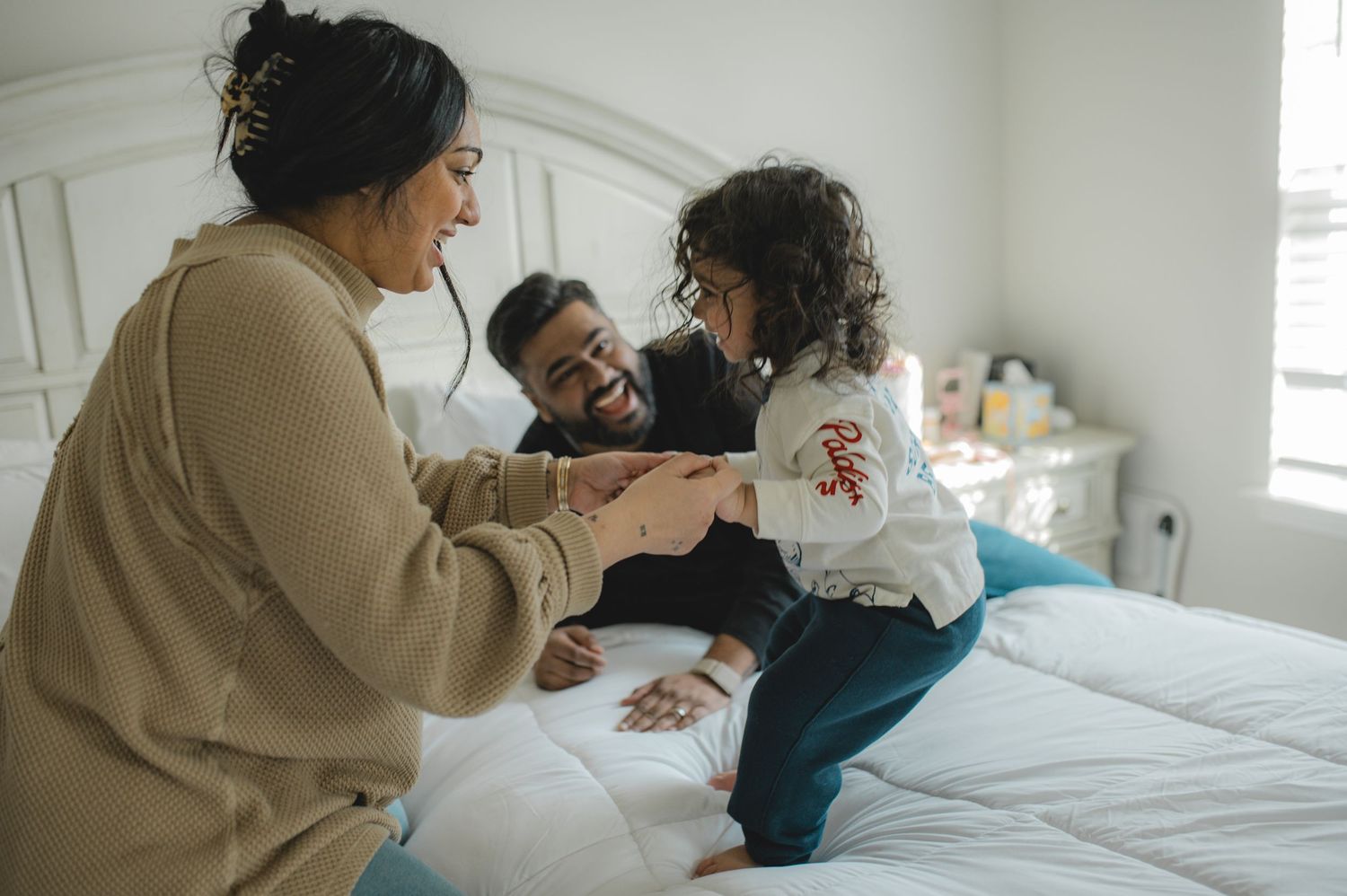
Look at your partner, snuggle your kids, and play. The more you focus on your family, the less you’ll notice me.
DO keep the "messy" activities.
If your kids want to paint, bake, or play in the mud, say yes! These activities create the best visual stories.
DO let your kids lead.
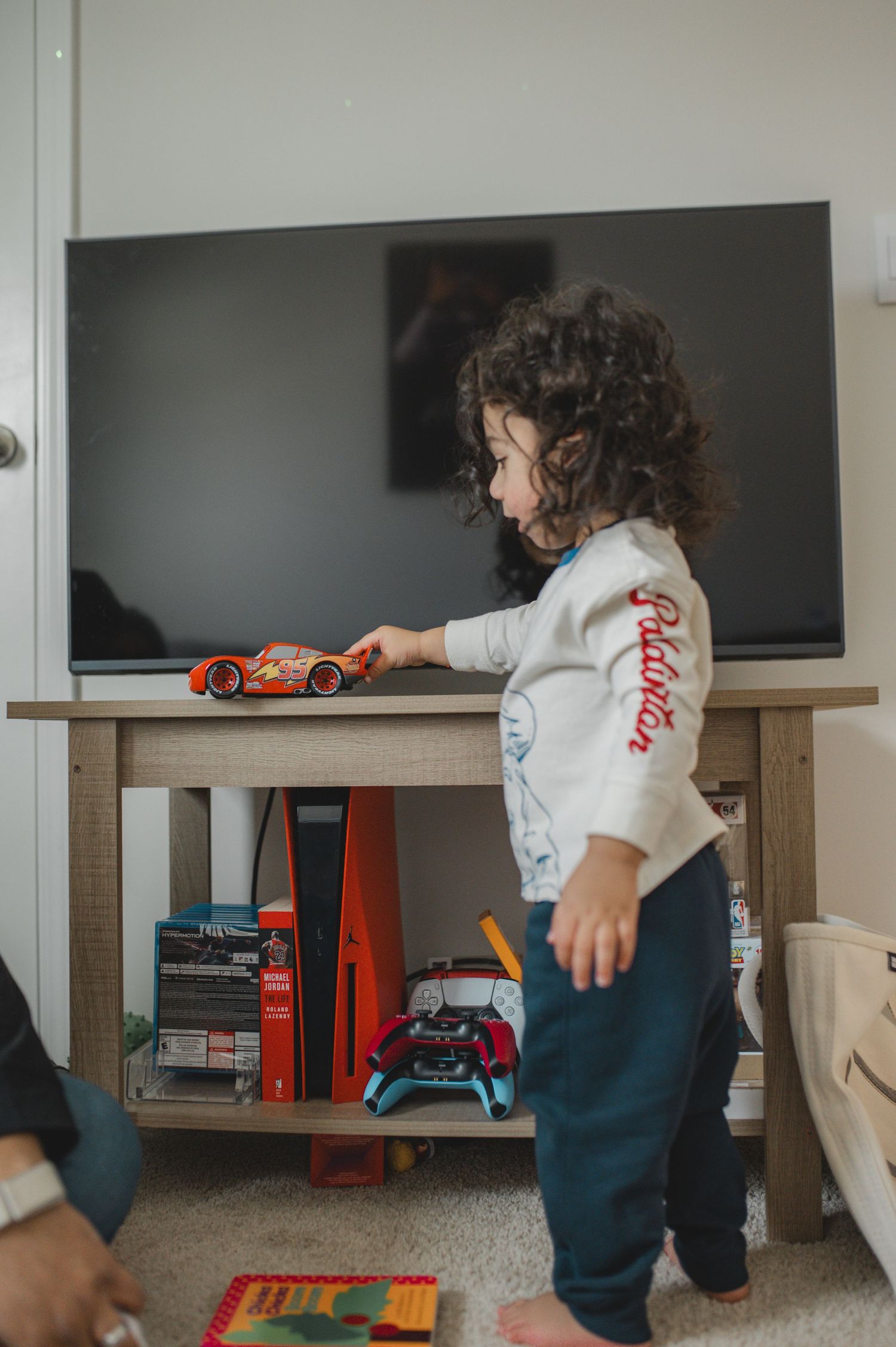
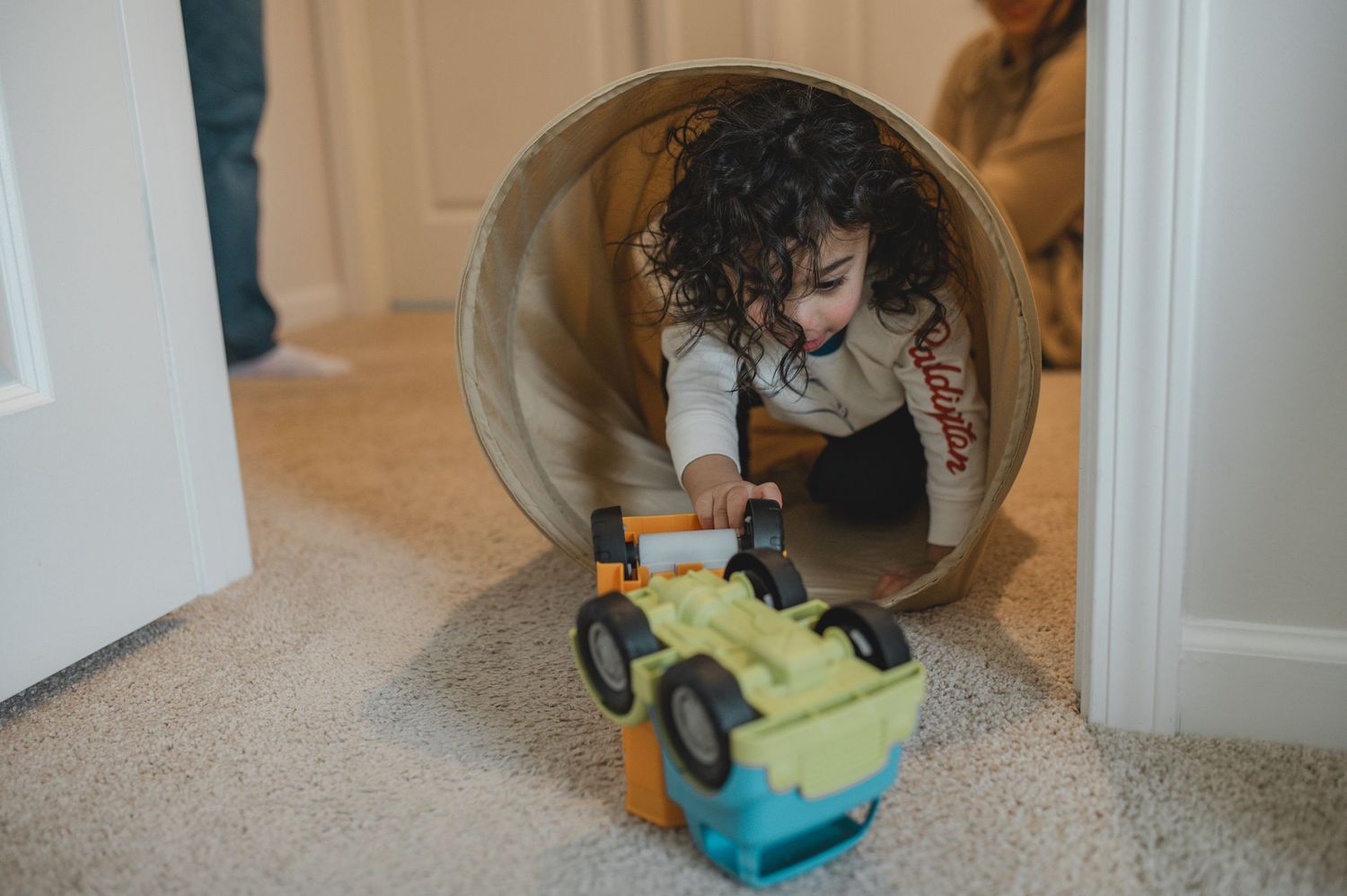
If they want to show me their room or their favorite bug in the garden, let them! Their curiosity is a huge part of the story.
The Don'ts
DON’T "perform."
You don't need to be the "perfect" parent or have the "perfect" kids today. Just be the real ones.
DON’T worry about "The Shot."
If you’re wondering, "Is she getting this?"—I am. I promise. You don't need to freeze or repeat a movement for me.
DON’T stress the small stuff.
If the toddler refuses socks or the baby spits up, take a breath. Those tiny hiccups are often the most relatable and cherished parts of the final gallery.
frequently asked questions
What if we don't know what to do / are awkward?
This is the number one thing people say to me! It’s totally normal to feel a little "camera-aware" for the first twenty or so minutes. But here’s the secret: I don’t expect you to know what to do. You don’t have to "act" or entertain me. If you’re feeling unsure, just lean into your family. Pick up the baby, start a game of tag, or go make a sandwich. Once you start focusing on each other, the "awkwardness" evaporates, and I become just another person in the room. I promise, within a half-hour, you’ll probably forget I’m even holding a camera.
What if my kids won't sit still or 'misbehave'?
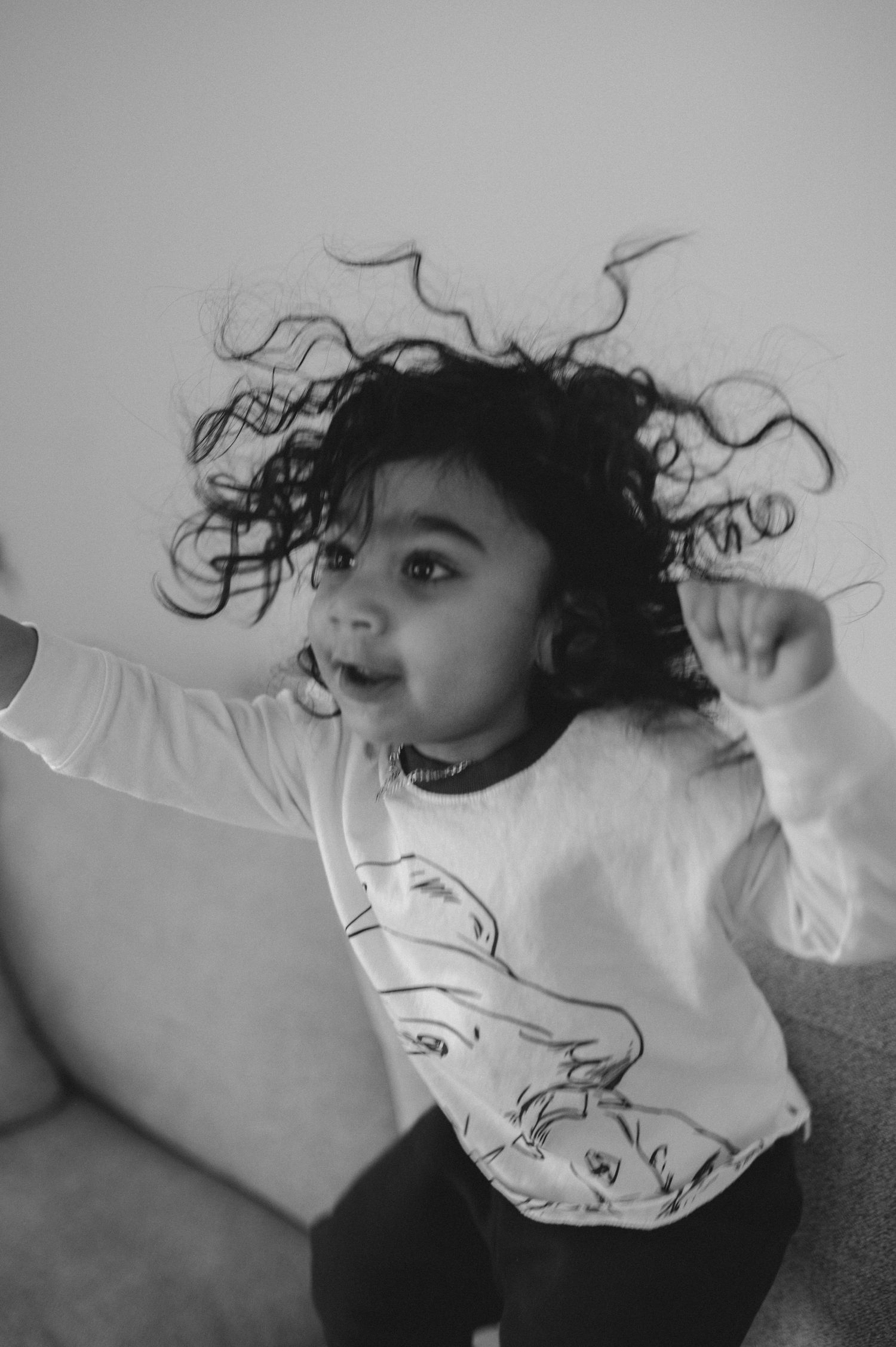
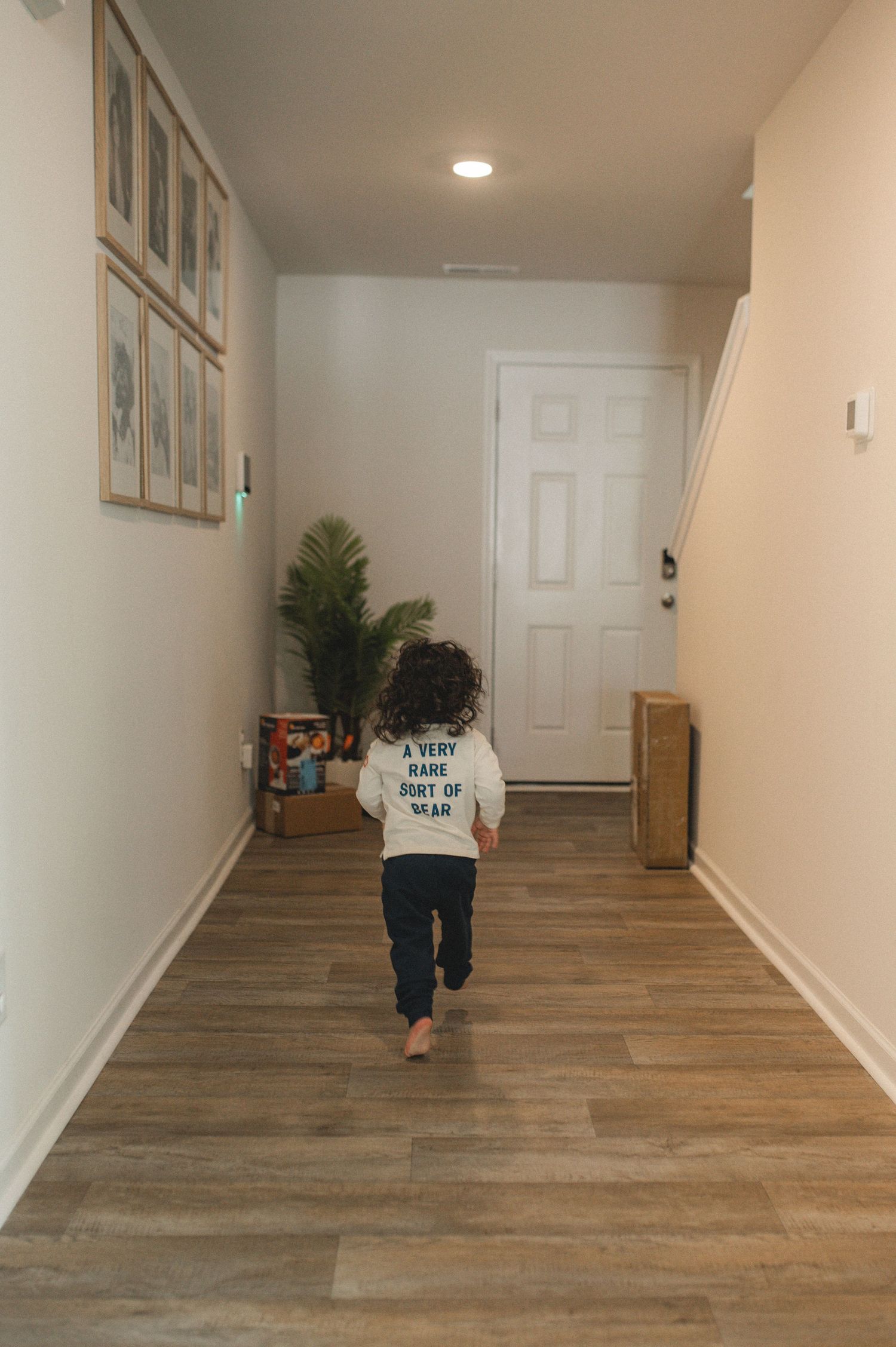
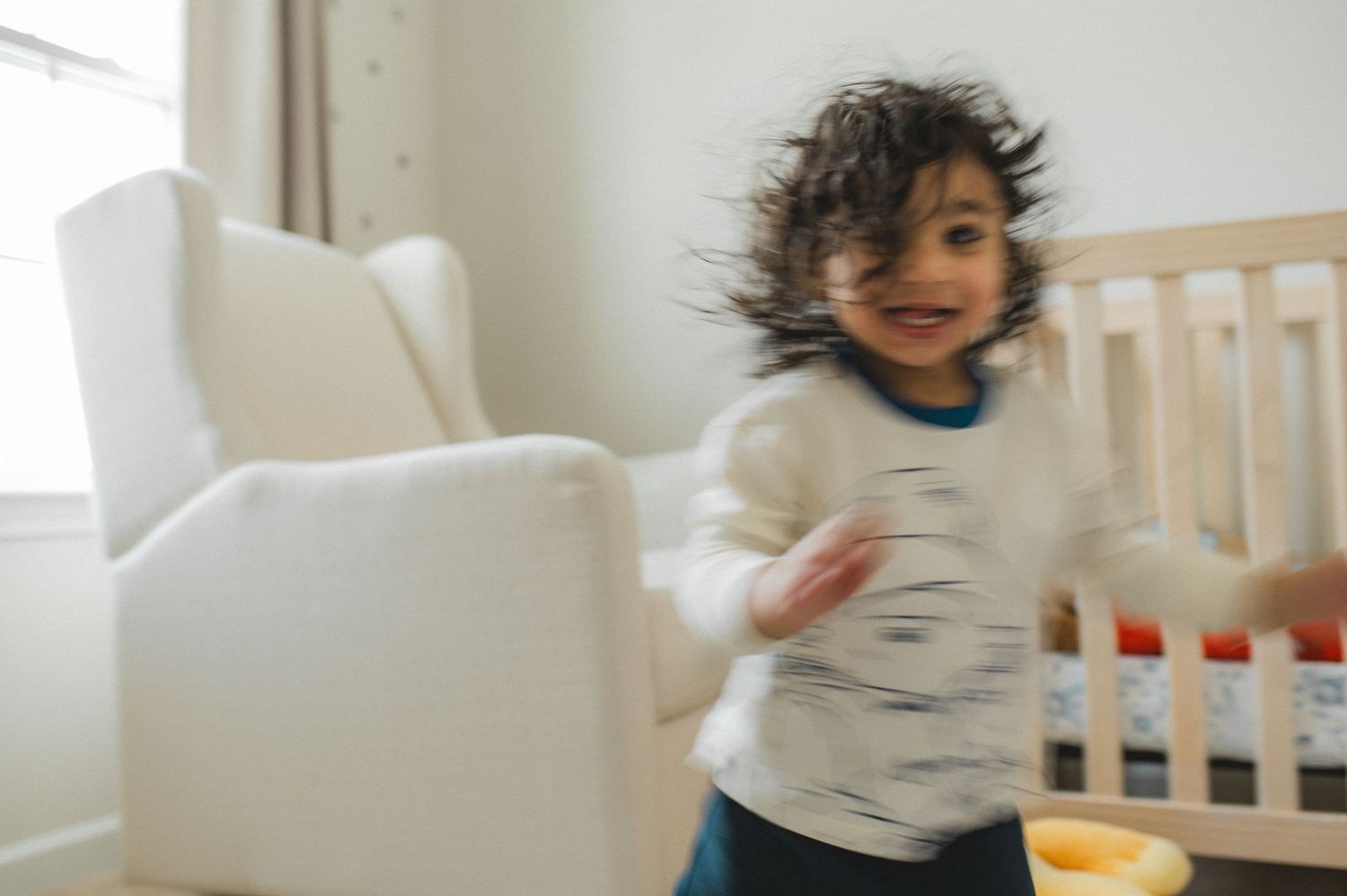
Good! I’m not there to photograph robots; I’m there to photograph your kids. If they want to jump on the bed, have a meltdown over a broken cracker, or run circles around the kitchen island, let them. My favorite photos are often the ones where kids are being their loudest, wildest, most authentic selves. I’ve seen it all, and I promise I’m not judging.
What if we're just... boring?
This is a common fear, and it’s never true. You might think your Sunday morning routine is "boring," but to your children, it’s their entire world. The way you make toast, the way you sit together on the floor, the way you laugh at an inside joke—that is the "magic" I’m looking for. You don’t need to be "interesting"; you just need to be you.
What if the weather is terrible or my house is dark?
Rainy days make for the coziest at-home stories. If it’s dark outside, we’ll lean into the mood—lamp light, shadows, and the glow of the kitchen. I’m trained to find the light even in the dimmest corners. Some of the most meaningful Storyteller sessions can happen on the gloomiest days.
What if someone gets sick or is in a bad mood?
Life happens. If a kid wakes up with a fever, we’ll reschedule—no big deal. But if someone is just "cranky," stay the course! Some of the most tender moments happen when a child needs an extra long hug or a quiet moment with a parent to reset. Those big emotions are just as important as the smiles.
What if my house is a total mess??
I am going to say this as clearly as possible: I do not care. In fact, a "lived-in" house tells a much better story than a sterile one. The pile of shoes by the door, the drawings on the fridge, and the laundry basket on the couch are the textures of your life right now. Twenty years from now, you’ll look at those photos and remember exactly what it felt like to live in this beautiful chaos.